U.S. funds help Sierra Leone tame Mpox

A coordinated global effort, backed by over $2 million from the United States government, has dramatically curtailed the Mpox outbreak in Sierra Leone.
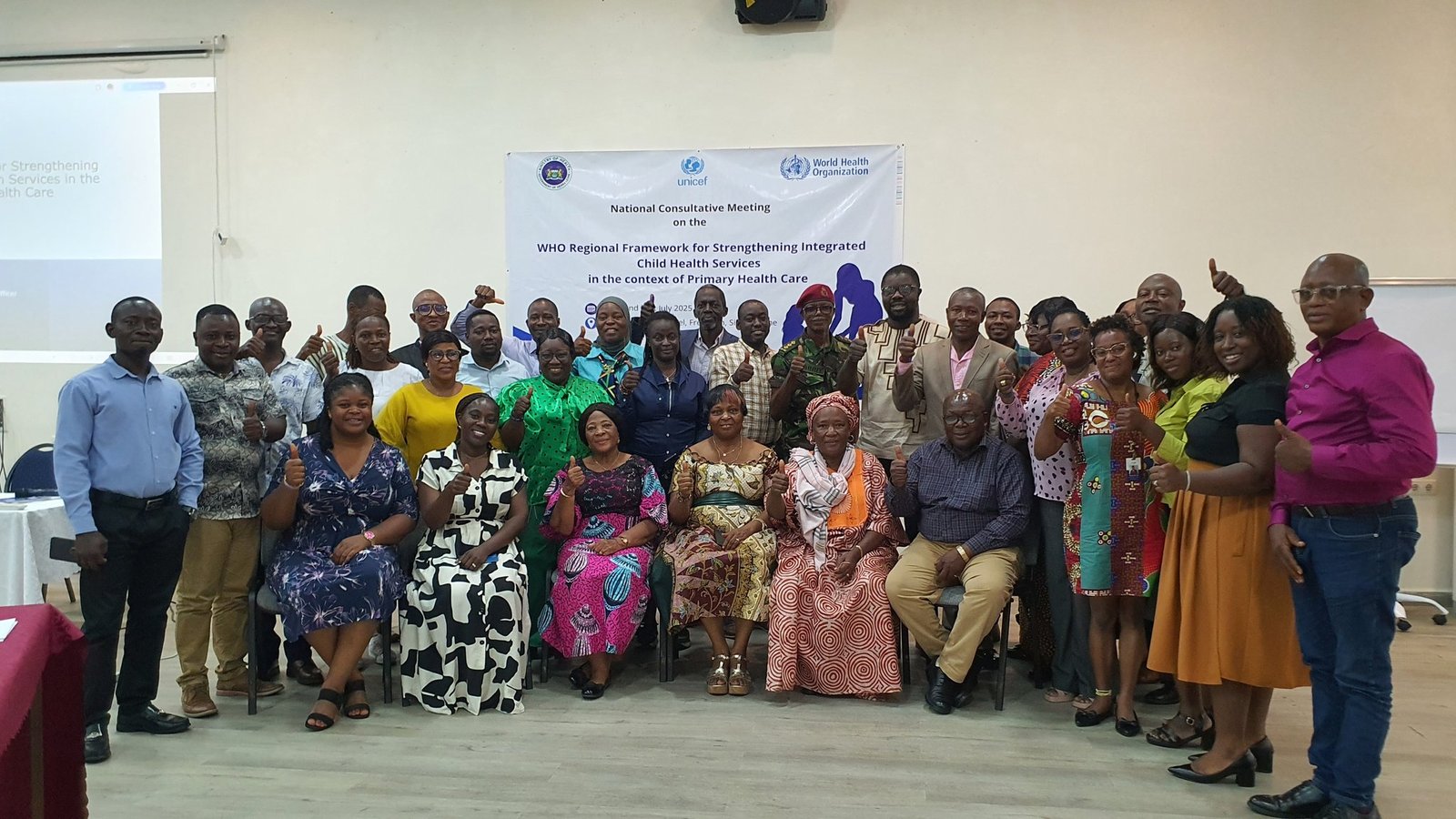
The turnaround, highlighted at a National Plenary Meeting and Intra-Action Review (IAR) just held in Freetown, reflects a comprehensive strategy of strengthened case detection, contact tracing, isolation protocols, community engagement, targeted vaccination campaigns, and robust risk communication initiatives.
According to government health reports, this multifaceted approach, spearheaded by the National Public Health Agency (NPHA) and the Ministry of Health in partnership with international allies, has effectively transitioned the nation from crisis management to a phase of sustainable surveillance and long-term preparedness.
The funding also supports regional activities and plenary sessions of the Mpox Intra-Action Review, held in consecutive sessions.
With outbreak once peaking at approximately 200 cases daily in April 2025, the country is now reporting single-digit daily infections as of August, signalling a significant victory for public health and a potential model for future disease control.
The $2 million-plus investment from the U.S. is not just about immediate containment. Reports from the meeting emphasize the strategic nature of the funding targeted, time-bound, and outcome-oriented, underwriting critical public-health operations like surveillance, diagnostics, and field teams, while simultaneously building capacity within Sierra Leone's national institutions.
This investment model fosters accountability and performance-based learning, paving the way for improved procurement practices, better surveillance data, and more transparent use of donor funds.
The goal is to enhance broader health security, reducing the macroeconomic risks associated with future health emergencies and bolstering workforce productivity. With a focus on solidifying gains through investments in real-time data systems, rapid-response teams, laboratory networks, and robust community engagement mechanisms.
A successful track record in containing the Mpox outbreak, coupled with transparent post-outbreak planning, could unlock private capital for health-system strengthening, digital health platforms, and regional public-health collaborations.
Continued transparency regarding outcomes, budget utilization, and progress toward milestones will be vital for sustaining donor confidence and attracting further investment in the health sector.
With more than $2 million committed from the U.S. government and a unified national effort, the country is not only curtailing immediate transmission but also strengthening the infrastructure and governance needed to deter future health shocks.
When the outbreak moves toward full suppression, the focus shifts to sustaining capabilities that support long-term health outcomes and broader economic resilience. Together, stakeholders say, the goal remains clear: end the outbreak and save lives.