All Hopes On Domestic Revenue as Aid Dwindles
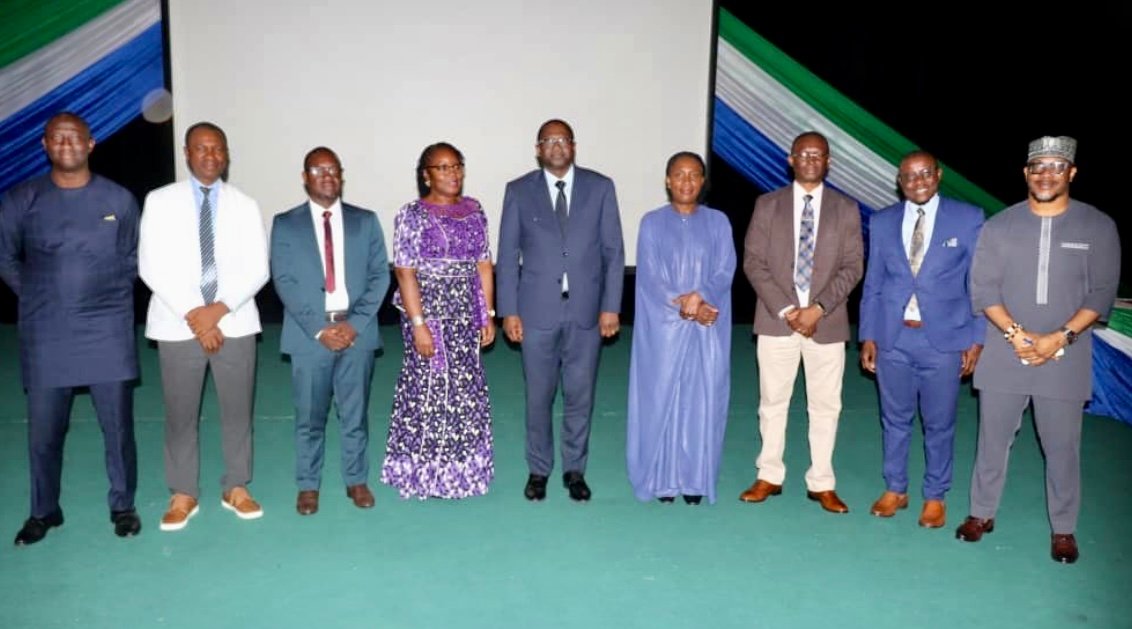
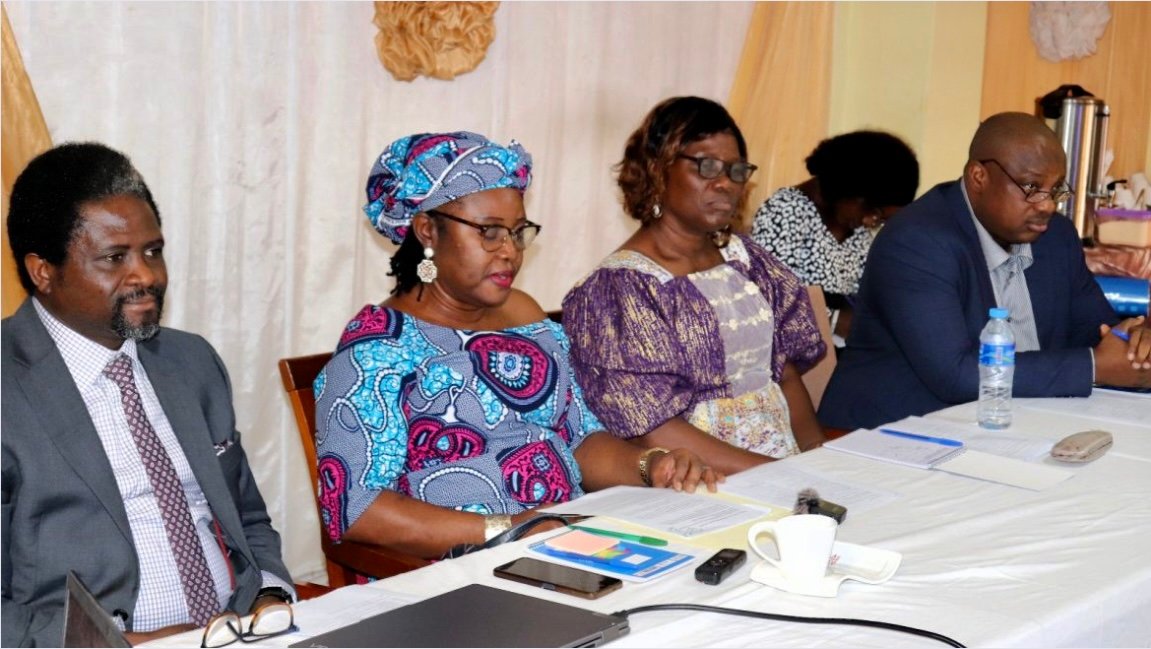
Sierra Leone is aggressively pursuing strategies to bolster domestic revenue, as officials revealed at the 2026 budget policy hearing recently.
Minister of Finance Sheku Bangura outlined a multi-pronged approach focused on both enhancing traditional revenue streams and exploring innovative financing mechanisms to fund the nation’s "Big Five Game Changers" development agenda.
The 2026 budget aims to underpin the Medium Term National Development Plan 2024-2030, which includes achieving food security, developing human capital, investing in infrastructure and technology, and creating a more inclusive workforce.
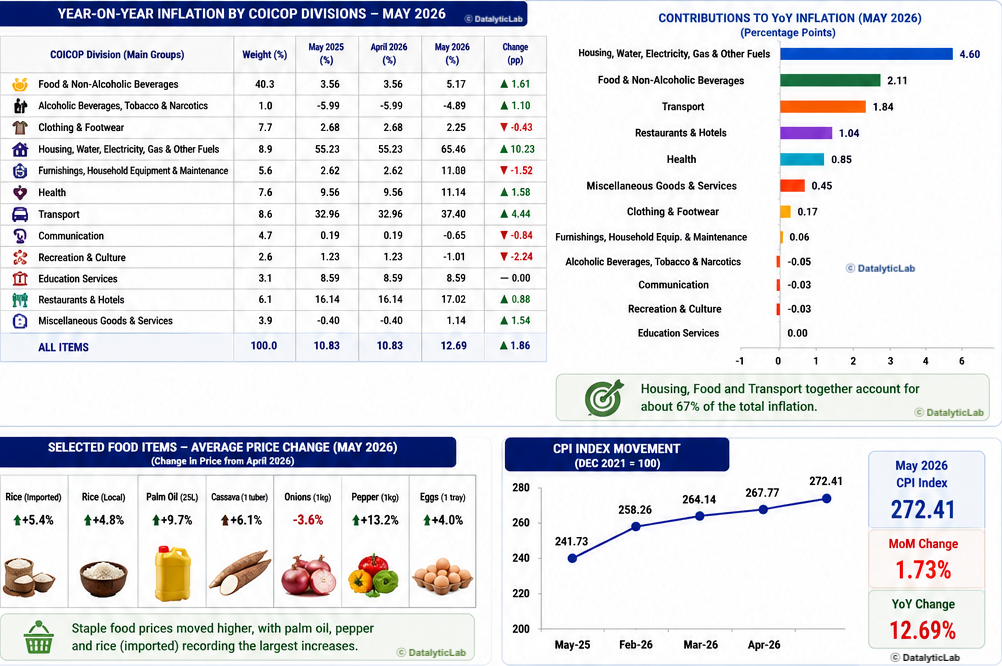
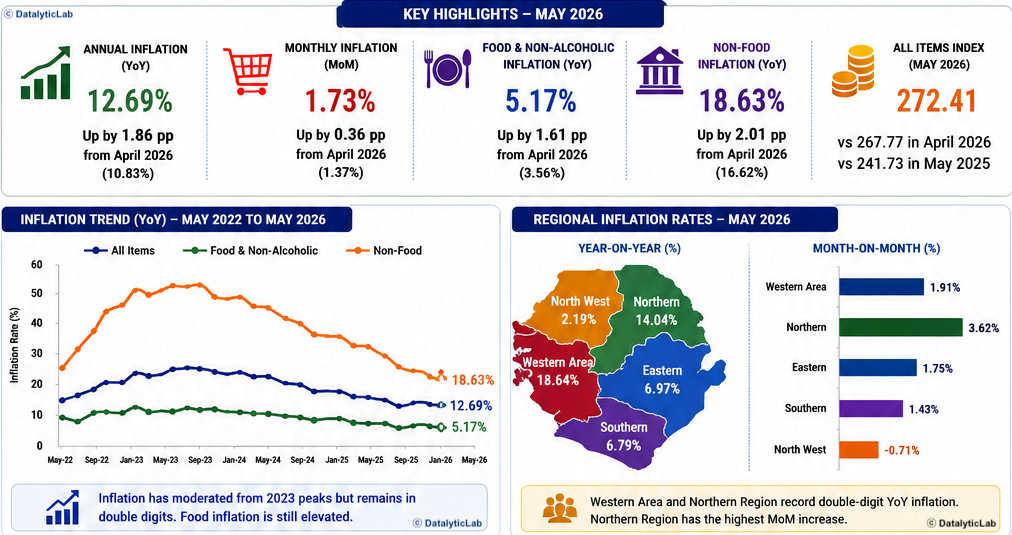
Bangura indicated recent economic progress, pointing to a single-digit inflation rate of 6.45 percent in July 2025, attributing this to exchange rate stability, moderate global commodity prices, increased domestic food production, and prudent monetary policy backed by fiscal consolidation measures.
However, a stark reality check underscored the urgency of the situation, as a country rich in mineral resources, the current extractive model yields disproportionately low benefits.
"Over the past six years, the value of mineral exports amounted to $4 billion, yet only $187 million (4.6 per cent) accrued to the state," Bangura said, highlighting that in 2023 extractive exports hit $1.2 billion, but government revenue stood at a mere $48 million.
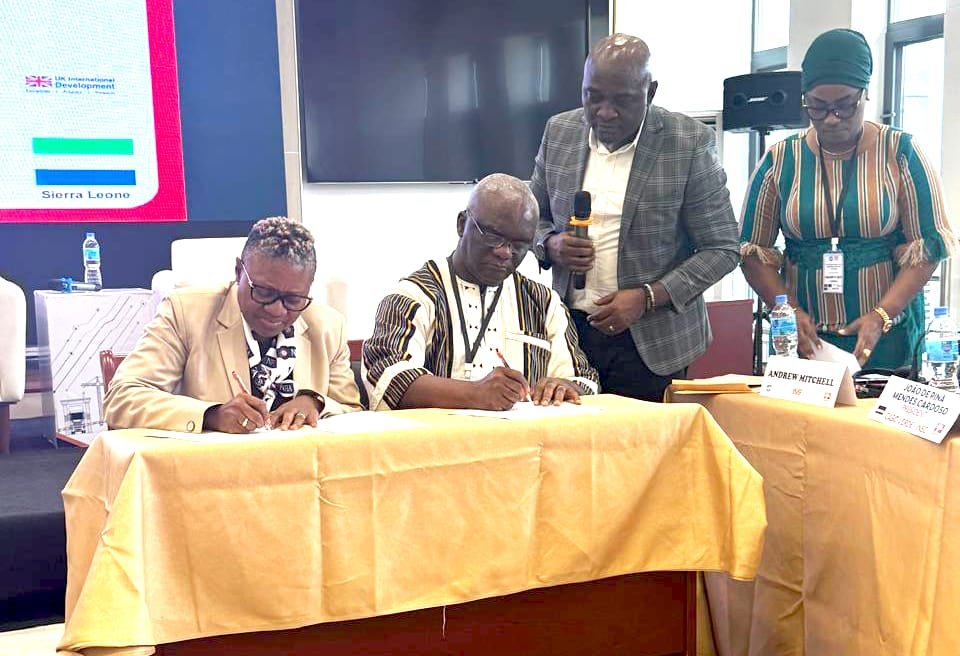
The minister acknowledged a public debt-to-GDP ratio of 48.9 percent in 2024, committing to managing debt levels. He also highlighted the IMF's approval of a $248.5 million, 38-month arrangement in October 2024, with an immediate disbursement of $46.6 million.
"The implementation of the new program is fully on course, and we are taking corrective actions agreed with the fund geared towards meeting all structural benchmarks and commitments by the end of November 2025," he affirmed, and expressed optimism for a second disbursement following a review of the country’s economic performance.
Minister of Planning and Economic Development Kenyeh Ballay reinforced the call for internal resource mobilisation.
"The international financing landscape is changing drastically, and efficient development systems are declining," she warned.
She added that global economic conditions make it imperative for developing countries like Sierra Leone to prioritize internal resource generation.
Ballay announced that MDAs should focus on existing capital projects, with no new projects receiving funding next year.
Vice President Dr. Mohamed Jalloh in a keynote address emphasized the shifting global landscape, with developed nations increasingly prioritizing domestic needs over foreign aid. He called to broaden the tax base, rationalise tax exemptions, and invest in technologies to reduce human interaction in revenue collection while enhancing compliance and minimizing leakages through digitalization.
The 2026 policy plans to enhance traditional sources of domestic revenue through effective and efficient tax management using technology, while exploring other innovative strategies on climate finance, carbon trading, debt swapping, and state commercial participation in mining of natural resources through the Mineral Wealth Fund.
This preparation process continues with bilateral budget discussions with MDAs and stakeholders until ending of September 27th, 2025, at the conference rooms of the MoF. A decisive shift towards self-reliance as the country navigates a challenging global economic environment.