Sub-Saharan Africa and the World Oil Outlook 2050: Implications and Pathways
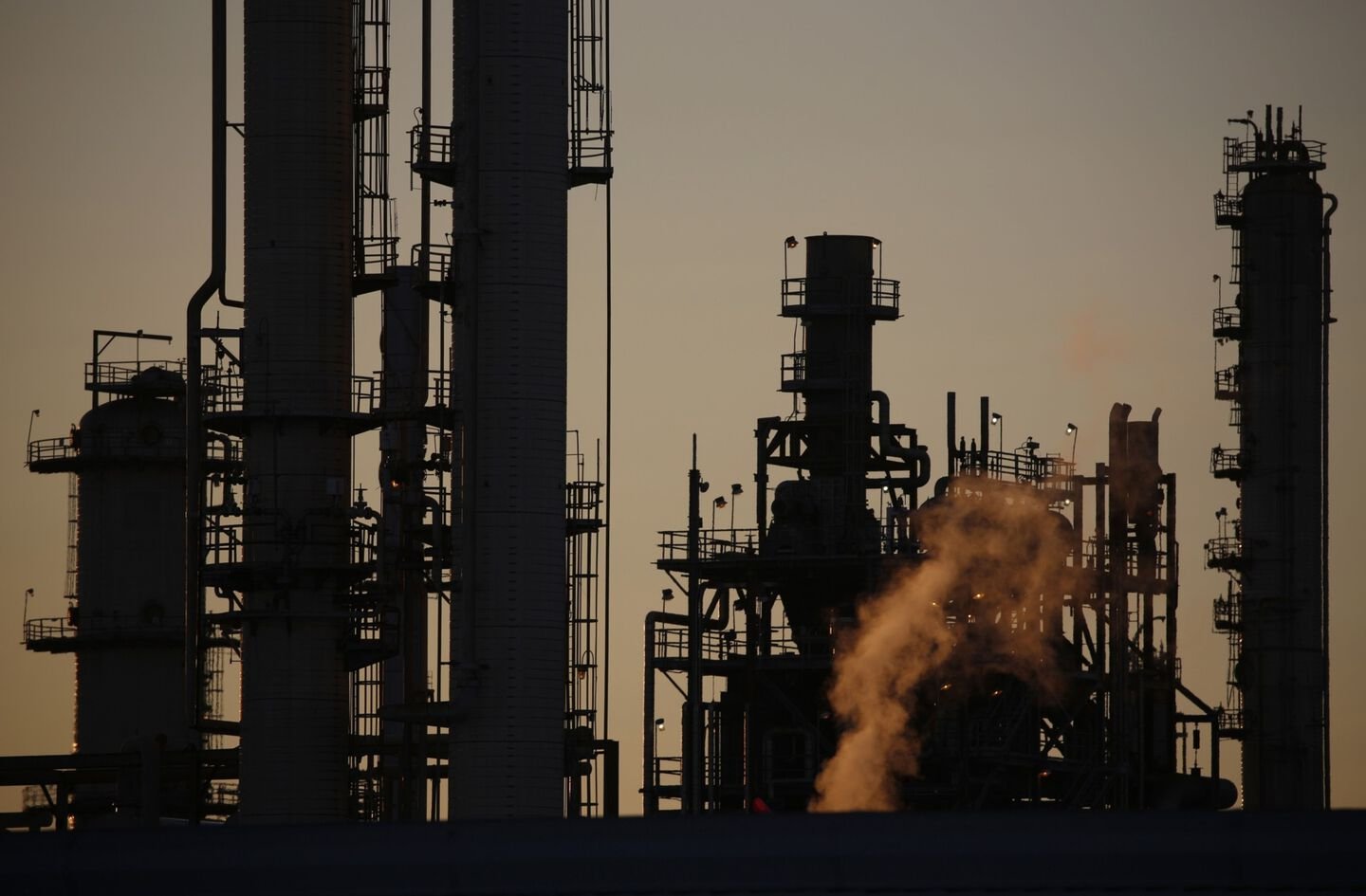
The World Oil Outlook 2050 highlights a future in which oil remains central to global energy demand, with emerging economies driving consumption growth. Sub-Saharan Africa, home to over 1.2 billion people today and projected to surpass 2.1 billion by 2050, sits at the heart of this transformation. The region’s young population, rapid urbanisation, industrialisation, and rising incomes mean energy demand is set to expand significantly.
1. Rising Demand and Economic Growth
Projected oil demand growth: SSA’s energy consumption is expected to climb sharply, with transport, electricity generation, and petrochemicals leading demand. Unlike OECD countries where oil demand will decline, SSA is projected to see net increases.
Industrialisation drive: Oil-based products remain essential for industrial processes, road transport, aviation, and shipping — all critical to Africa’s economic diversification strategies.
Improved living standards: Expanding energy access, currently a challenge (over 600 million people lack reliable electricity), will require liquid fuels alongside renewables to bridge gaps.
2. Oil Production and Export Opportunities
Resource base: Countries like Nigeria, Angola, Gabon, Equatorial Guinea, and newer producers (Ghana, Mozambique, Senegal, Uganda) stand to benefit as suppliers meeting global and regional demand.
Revenue prospects: Rising demand may support fiscal revenues from oil exports, offering resources for development. However, this depends on stable governance, competitive production costs, and prudent fiscal management.
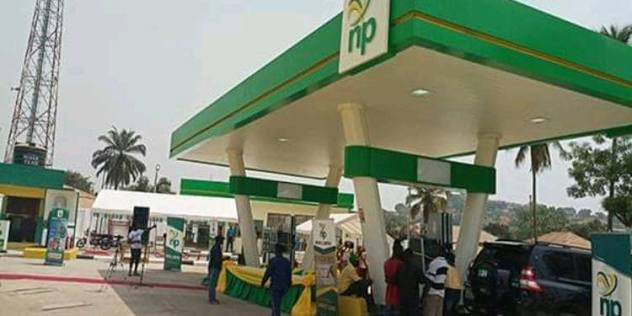
Regional refining gap: Most SSA countries rely heavily on imports of refined petroleum. Meeting future demand implies either building new refineries or continuing costly imports. Investments in downstream capacity are likely to grow.
3. Infrastructure Strain and Investment Needs
Transport & logistics: With population growth and urbanisation, the demand for vehicles, aviation, and freight transport will soar, straining existing fuel supply chains.
Capital requirement: OPEC estimates $18 trillion in global oil supply investment by 2050. SSA will need to secure a fair share for upstream and downstream projects, despite its higher risk perception.
Power generation: Oil may still play a role in electricity in some SSA nations, though many are also turning to natural gas, hydro, and renewables.
4. Energy Security and Import Dependence
Import reliance: Despite being resource-rich, many SSA countries are net importers of refined products. Rising demand will deepen exposure to global price shocks, exchange rate volatility, and supply disruptions unless refining capacity expands.
Diversification imperative: Overdependence on oil imports could pressure trade balances and foreign reserves. A balanced strategy combining oil, natural gas, and renewables is needed.
5. Environmental and Climate Risks
Rising emissions: Increased oil use will raise greenhouse gas emissions and urban air pollution, especially in megacities like Lagos, Kinshasa, and Nairobi.
Climate vulnerability: SSA is among the regions most affected by climate change impacts — droughts, floods, and heatwaves. Heavy oil reliance could worsen local resilience if not mitigated.
Global decarbonisation pressure: As OECD and China accelerate clean energy transitions, SSA exporters risk stranded assets if oil demand peaks earlier than OPEC’s forecast.
6. Opportunities for Transition and Leapfrogging
Renewables complement: Africa has vast solar, wind, and hydro potential. Oil can complement these sources during the transition, but long-term strategies should emphasise clean energy to meet Paris Agreement goals.
Petrochemical growth: SSA can develop petrochemical industries (plastics, fertilizers, chemicals) to capture more value from hydrocarbons, reducing dependence on raw exports.
Innovation in mobility: Urban planning and public transport investment could help SSA avoid replicating oil-intensive mobility systems seen in OECD countries.
7. Policy and Strategic Priorities For SSA to harness benefits while mitigating risks, governments should consider:
- Invest in refining & storage to reduce import dependence and create jobs.
- Leverage oil revenues for diversification — channel funds into infrastructure, education, and renewables.
- Strengthen regulatory frameworks to attract investment in upstream/downstream oil while preparing for long-term transition.
- Adopt cleaner technologies in transport and industry to reduce pollution and emissions.
- Regional cooperation (e.g., through the African Continental Free Trade Area) to pool refining capacity, pipelines, and fuel distribution.
- Balance subsidies and fiscal health — reform fuel subsidies carefully while protecting vulnerable populations.
- Access climate finance and international support to fund renewable energy and energy-efficiency projects.
Conclusion Sub-Saharan Africa stands at a crossroads. The World Oil Outlook 2050 suggests demand for oil will remain strong across the region, offering economic and industrialisation opportunities. Yet, rising consumption also carries risks: financial strain from imports, environmental degradation, and exposure to global price volatility.
To thrive, SSA countries must embrace a dual strategy: using oil as a growth driver in the near term while investing aggressively in renewables, efficiency, and diversification to future-proof their economies. The choices made in the next decade will shape whether oil becomes a springboard for prosperity or a trap of dependency.