Mpox: Africa CDC calls for more urgent vaccine supplies

The Africa Centre for Disease Control (CDC) says there is urgent need for more vaccine supplies and sustained international support in the fight against the devastating effects of mpox in Sierra Leone.
Lack of vaccines may hamper achievements already made in the past two months, during which Sierra Leone’s health authorities, in collaboration with Africa CDC and WHO partners, have ramped up vaccination efforts, focusing on frontline health workers and high-risk populations.
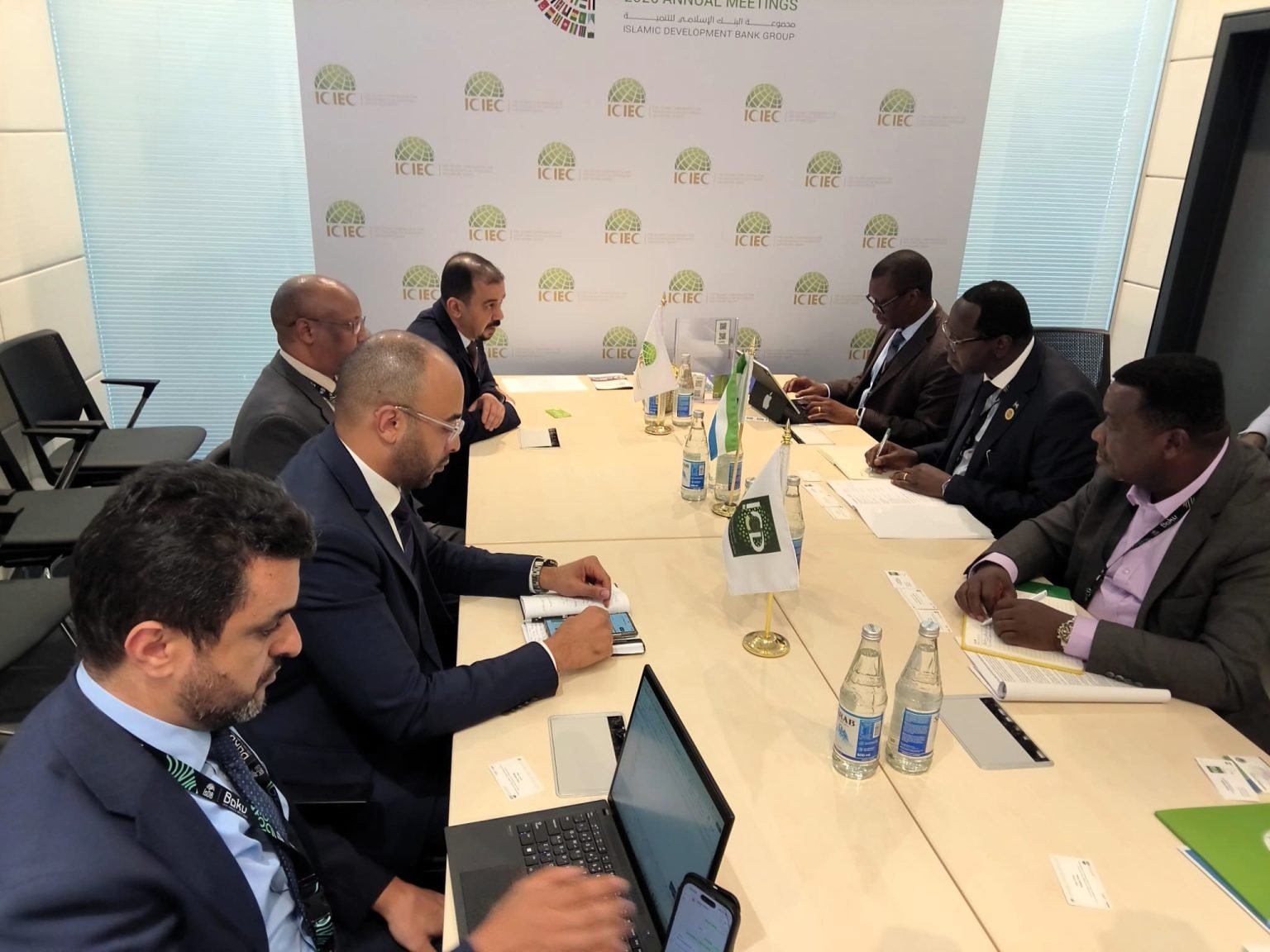
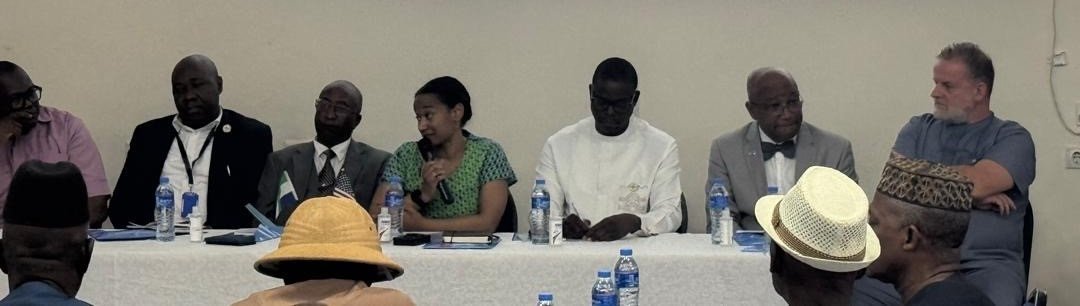
The call was made by a delegation from the Africa CDC Incident Management Support Team (IMST) which is presently in Freetown conducting its second assessment of Sierra Leone’s response efforts, highlighting the critical intersection between health safety and economic stability in the country.
Financial Standard learnt that the team led by Dr. Ngashi Ngongo, head of the IMST and chief adviser to Africa CDC Director General Dr. Jean Kaseye, aims to evaluate the effectiveness of ongoing interventions and strategize next steps to contain the virus.
The ongoing Mpox (formerly monkeypox) epidemic in Sierra Leone has become a significant public health and economic challenge, prompting an urgent response from regional and international health authorities.
The delegation’s assessment comes amid a broader regional concern. The World Health Organization (WHO) has warned that the rapid increase in cases, particularly in Sierra Leone, Democratic Republic of Congo, Uganda, and Burundi, threatens to prolong the outbreak and exacerbate socio-economic vulnerabilities.
Since the country reported its first Mpox case in January 2025, it has experienced a rapid escalation in infections, becoming one of the most affected nations in Africa.
According to data from the National Public Health Agency, as of June 23, Sierra Leone has recorded 4,297 confirmed cases, 28 fatalities and 3595 recovery.
This surge places the country at the forefront of the continent’s outbreak and it’s economic impact is substantial, amidst a sign of some progress.
The World Bank estimates that health crises like Mpox can lead to reduced labor productivity, increased healthcare costs, and disruptions to trade and local businesses.
Sierra Leone’s economy, heavily reliant on agriculture, mining, and remittances, faces potential setbacks as the outbreak strains health resources and hampers economic activities.
Despite recent improvements, including the arrival of a fresh batch of 61,300 doses of the MPOX MVA-BN vaccine in February from Vaccine Alliance, WHO, UNICEF, Africa CDC, Irish Government, and other supporting organizations, the country’s vaccine stock remains insufficient for mass immunization.
Previously, Africa CDC had noted the country’s weak surveillance system, which was identified as a key obstacle hampering the timely detection, contact tracing and containment of cases.
The current Mpox crisis underlines the pressing need for sustained investment in health infrastructure and epidemic preparedness in Sierra Leone and the wider West African region.
This delegation’s assessment is a symbol of hope to strengthening surveillance systems, increasing vaccine availability, and improving community engagement which are critical to breaking the transmission chain.
The IMST’s core activities include training health workers, reinforcing laboratory capacity, harmonizing data collection, and promoting social mobilization.