Sierra Leone to benefit from $9.44m ADF AfricaRice grant

The African Development Fund (ADF) has rolled out a $9.44 million grant to the Africa Rice Center (AfricaRice) aimed at fortifying climate-resilient rice value chains across West Africa.
This project, supported by ADF’s Climate Action Window, stands to improve rice seed availability for 11,000 farmers in 13 countries, including Sierra Leone, where agriculture is a cornerstone of the economy. Other countries are Benin, Burkina Faso, Côte d’Ivoire, Gambia, Ghana, Guinea, Guinea-Bissau, Liberia, Mali, Niger, Senegal and Togo.
The initiative falls under the Regional Resilient Rice Value Chains Development Project (REWARD), specifically targeting the adaptation component (REWARD-Adaptation). It is designed to scale up the adoption of climate-smart agricultural practices, addressing the dual challenges of climate change and food insecurity that plague the region.
Marwan Ladki, principal irrigation engineer at the African Development Bank (AfDB), emphasized the strategy’s focus on reducing vulnerabilities within the rice value chain, from production through to marketing.
“The strategy for this project is to reduce the vulnerability and strengthen the resilience of rice value chains,” he stated, highlighting the importance of lower greenhouse gas emissions through the adoption of climate-smart practices.
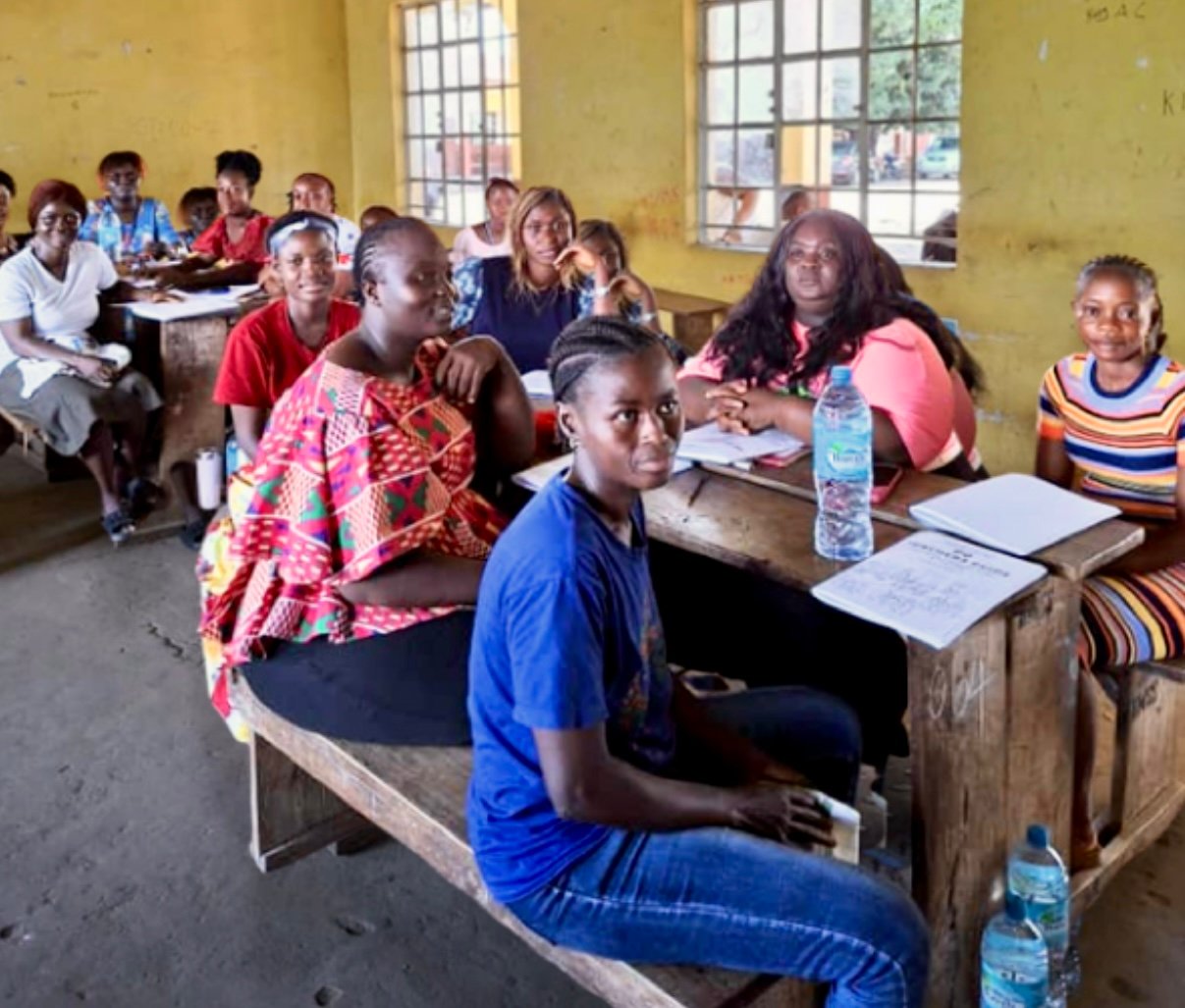
Key interventions of the project include the distribution of climate-resilient rice seeds to farmers, particularly aiming to empower 4,950 women and 6,600 young farmers, which aligns with broader gender and youth development goals. With plans to train 12,600 farmers and processors, the initiative will also bolster 65 small and medium-sized enterprises by providing equipment and enhancing their access to business networks.
Moreover, the project will utilize digital platforms and radio broadcasts to disseminate climate services and early warning systems, potentially reaching up to two million beneficiaries. Another critical component is the deployment of four automatic weather stations per country, aimed at improving climate monitoring across the region.
The economic Implications of this initiative are vast. By enhancing rice productivity through access to improved seeds and training, Sierra Leone’s agriculture sector is poised not only to boost local food security but also to contribute to poverty reduction and job creation.
The project is expected to generate 47,000 employment opportunities, comprising 8,000 permanent and 39,000 seasonal jobs. This influx of jobs can stimulate local economies and encourage further investment in agricultural infrastructure and technology.
The Africa Rice Center, headquartered in Côte d’Ivoire, plays a vital role in this endeavour by specializing in research, development, and capacity building focused on rice, which is a staple food in many West African countries especially Sierra Leone. The Centre’s efforts to increase productivity while ensuring sustainable practices are crucial in a region where agricultural resilience is increasingly threatened by climate variability.
The ADF's investment in climate-resilient rice value chains has the potential to transform agricultural practices across West Africa. By supporting farmers in Sierra Leone and beyond, this initiative not only targets immediate food security concerns but also lays the groundwork for long-term economic resilience in the face of climate change.
As the project unfolds, the focus will remain on ensuring that the adaptability strategies implemented serve as benchmarks for sustainable agricultural practices throughout the continent.