EPA, IOM, civil society collaborate on calming climate chaos
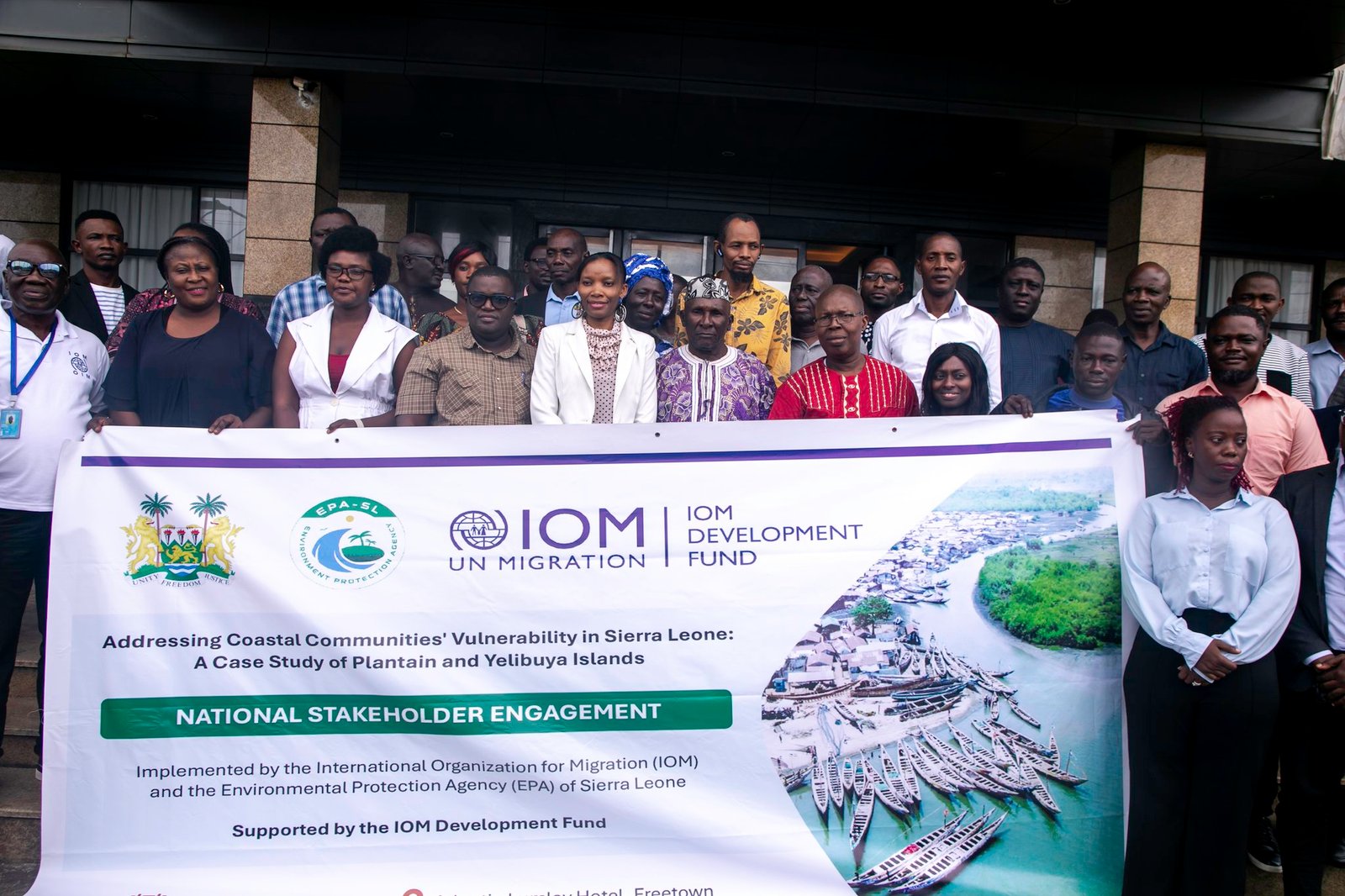
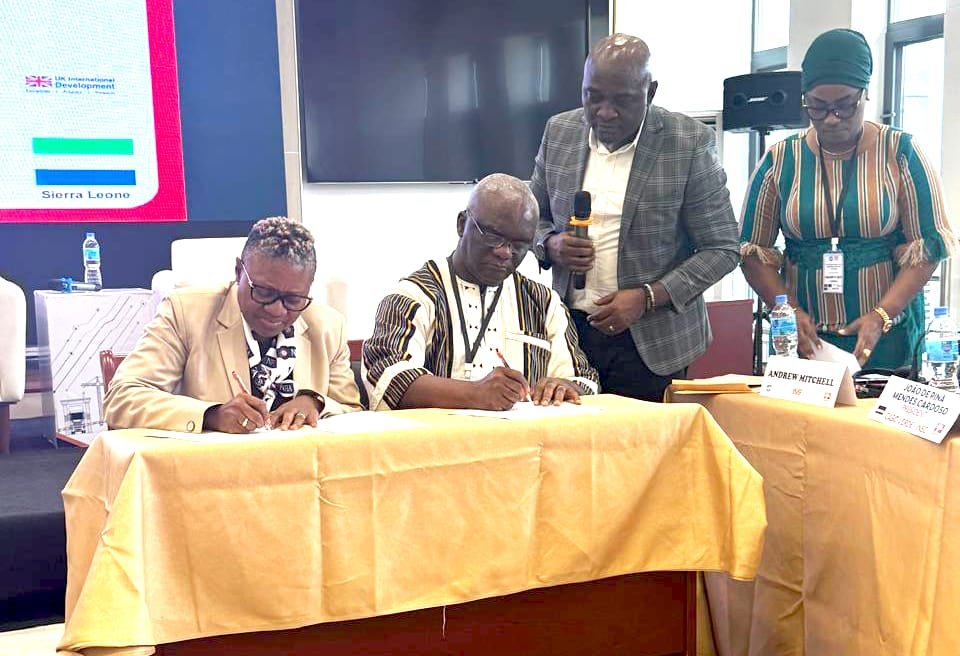
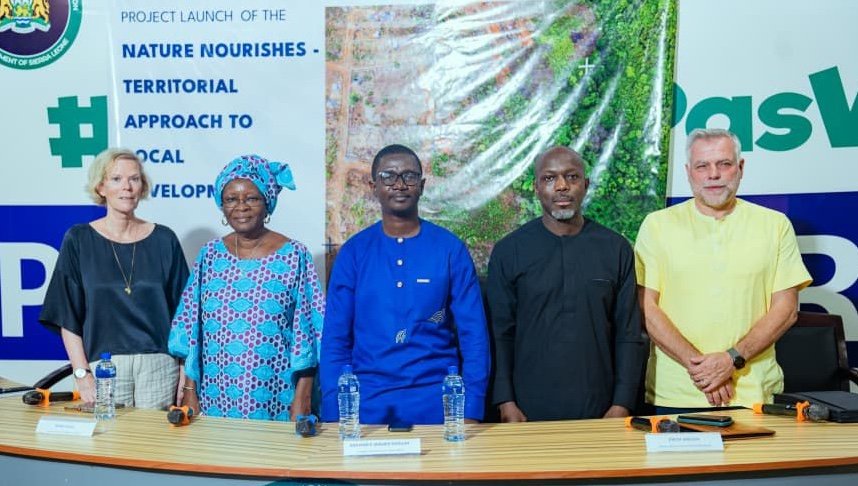
Sierra Leone’s Environmental Protection Agency (EPA), civil society groups, and the International Organization for Migration (IOM) have concluded a consultative national dialogue on vulnerabilities and climate risks facing coastal communities.
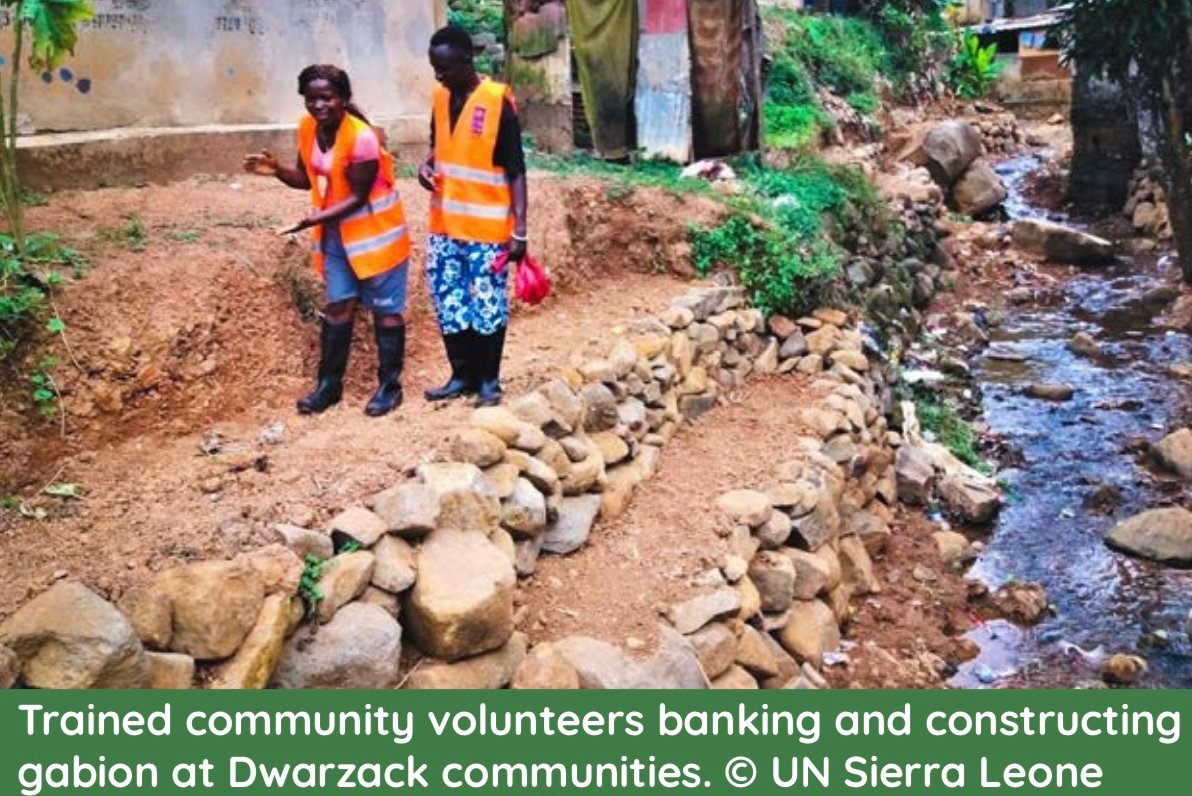
The dialogue, centred on community-led adaptation strategies, focused on strengthening coastal defences and livelihoods while aligning with broader climate and development goals. This cross-sector coordination is essential for translating dialogue into bankable projects and scaled impact.
The event zoomed In on vulnerabilities and climate risks specific to coastal communities and explored homegrown adaptation solutions. A prominent banner referenced the case study of Plantain and Yelibuya Islands, signalling a targeted, locality-first approach.
A core element of the dialogue was the emphasis on community-led strategies and transparent coordination with the EPA. This focus bolsters governance surrounding resource allocation, project monitoring, and impact reporting essential for attracting international climate finance that demands measurable outcomes and local buy-in.
For Sierra Leone, which heavily relies on fisheries, tourism, and coastal transport, climate resilience isn’t just an environmental imperative, it’s a business imperative. Investing in resilient infrastructure and adaptive livelihoods significantly cuts the costs associated with climate-related disruptions.
Prioritizing community-led adaptation strategies offers the potential to stimulate green investments, forge public-private partnerships, and attract climate-focused finance.
The involvement of the IOM Development Fund signals crucial seed capital, but securing long-term funding hinges on crafting bankable projects. These projects demonstrate a clear return on investment for both communities and potential investors.
The pilot project focusing on coastal livelihoods diversification, nature-based protection measures, and small-scale adaptation infrastructure can be particularly effective in attracting blended finance and concessional capital for broader implementation.
However, reliance on external funding can introduce vulnerabilities related to timing and continuity. Implementation bottlenecks, data gaps, and governance hurdles could impede progress without a structured pipeline of projects and robust monitoring and evaluation frameworks.
Despite these risks, the opportunity is significant. Successful community-led adaptation initiatives like this serves as a template for other vulnerable coastal areas across the country. Investing in early warning systems, climate services, and local enterprise capacity cannot only create jobs and improve health outcomes but also bolster overall coastal resilience against intensifying storms and erosion.
By emphasizing coastal resilience, Sierra Leone is positioning itself to attract climate finance linked to concrete adaptation outcomes. The focus on islands like Plantain and Yelibuya offers a practical starting point for developing scalable, peer-reviewed strategies applicable across the coastline.
The next critical step is transforming the dialogue’s recommendations into a concrete action plan, complete with defined budgets, milestones, and clear governance structures. A comprehensive national adaptation program, backed by a blended finance approach incorporating grants and private-sector participation, will be essential to maintaining momentum beyond the initial consultative phase.