Climate change threatens to derail development gains: Report

Sierra Leone’s economy, already weighed down by fragile institutions and recurring fiscal deficits, now faces an even greater threat: climate change.
The 2025 Country Climate and Development Report (CCDR) just published by the International Monetary Fund (IMF) and World Bank warns that worsening climate shocks, from erratic rainfall to coastal erosion, could severely derail Sierra Leone’s long-term development goals unless urgent, climate-resilient reforms are implemented.
The report describes Sierra Leone as “one of the most climate-vulnerable and least prepared nations globally,” underscoring the structural weaknesses in public investment planning, land use management and disaster preparedness.
“This isn’t just an environmental issue,” said Dr. Mariatou Kamara, a development economist in Freetown. “This is a development crisis unfolding in slow motion.”
Sierra Leone is seeing rising average temperatures, increased frequency of intense rainfall and unpredictable weather patterns. These conditions are threatening key sectors such as agriculture, energy and fisheries — all of which directly sustain millions of Sierra Leoneans.
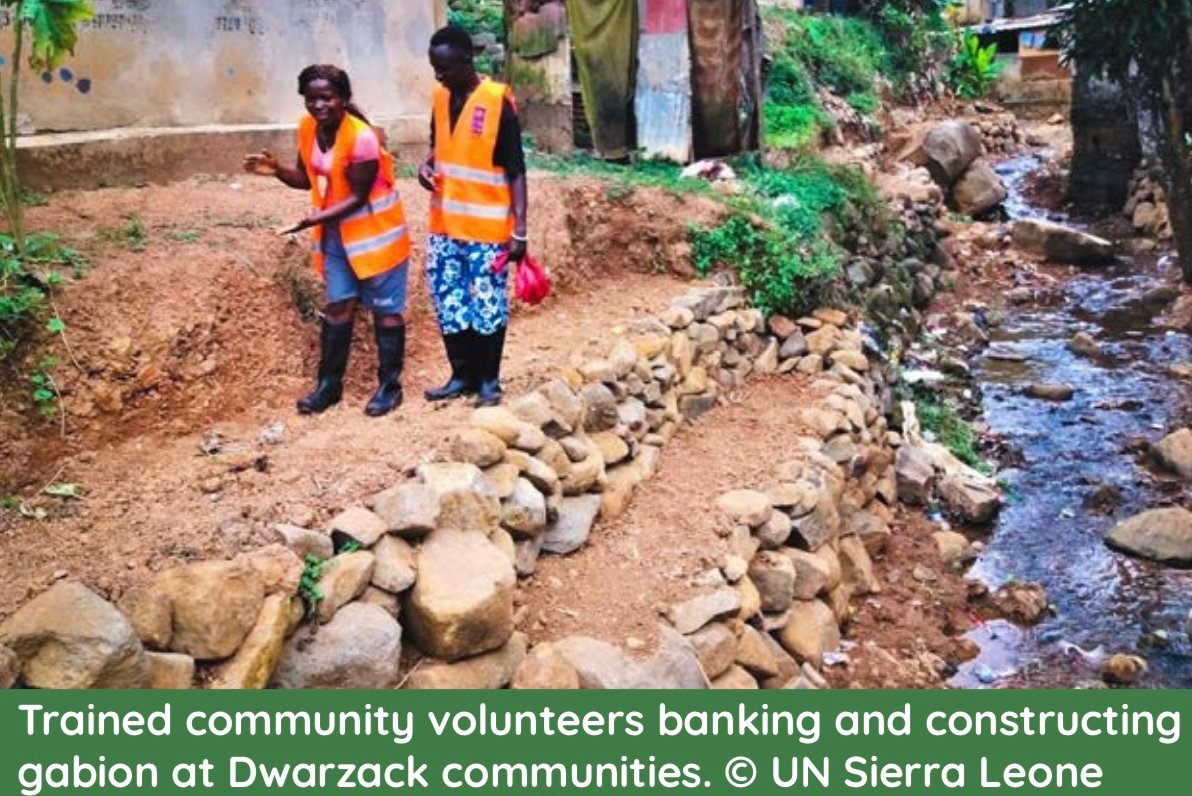
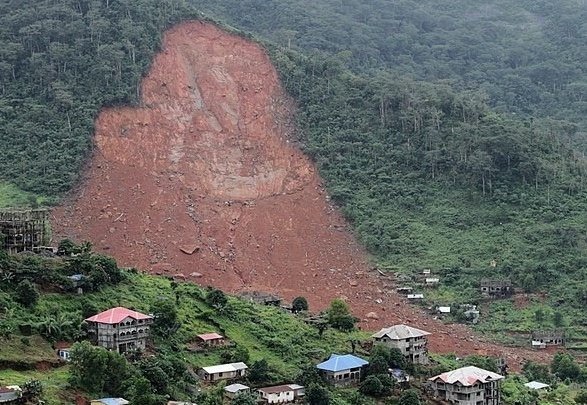
Despite the country’s low emissions footprint, the CCDR notes that Sierra Leone is absorbing some of the world’s worst climate impacts. Yet public infrastructure remains poorly adapted to withstand shocks. Roads wash away during heavy rains. Hydropower generation falters in drought. And in the slums of Freetown, flash floods regularly displace thousands.
The report says that while the government has developed basic climate action plans, many are underfunded, poorly implemented, or detached from real fiscal priorities.
The CCDR outlines the staggering financing gap facing the country: an estimated $2 billion is needed over the next five years to build climate-resilient infrastructure. But donor support, though welcome, has not come close.
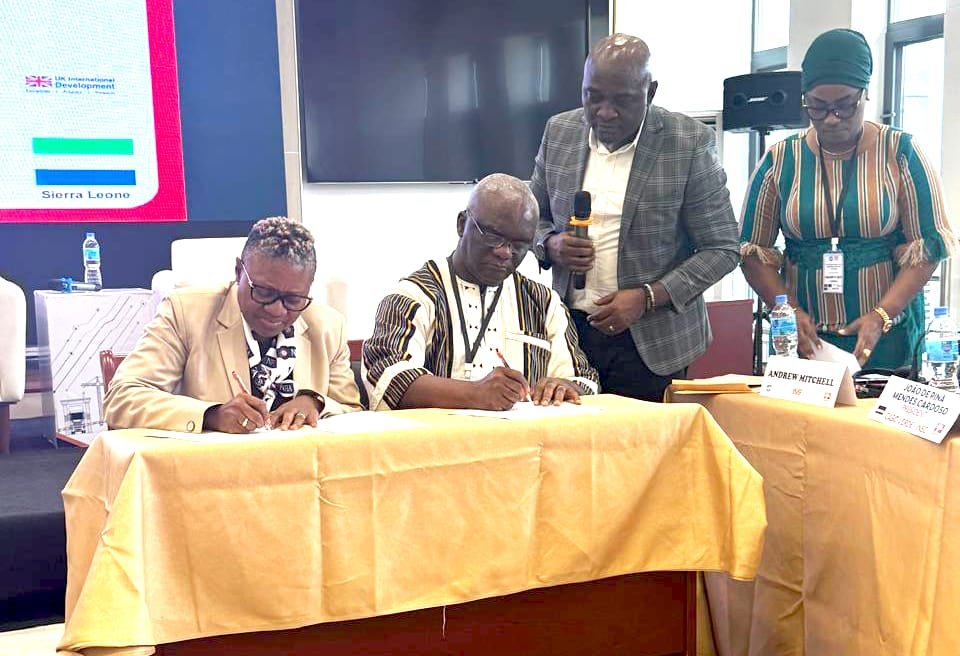
There have been recent international commitments including: $248.5 million from the IMF under the Extended Credit Facility; $80 million from the World Bank (including a Catastrophe Drawdown Option); and $480 million from the U.S. Millennium Challenge Corporation focused on electricity access.
However, these are not climate-specific grants and often require complex conditionalities. Critics argue that these instruments, while impressive in volume, are not sufficiently climate-targeted nor are they flowing fast enough to meet the urgency of the challenge.
“We’re facing 21st-century climate disasters with 20th-century governance tools,” said Yusif Jalloh, a civil society climate activist. “The international community is throwing us life vests, but what we need is a lifeboat.”
The CCDR praised Sierra Leone’s establishment of national climate frameworks, such as the Disaster Risk Management Policy and a National Adaptation Plan. But in practice, these policies remain largely aspirational.
A related 2024 Climate-PIMA (Public Investment Management Assessment) found that while Sierra Leone’s public investment systems are functional, they lack climate sensitivity and are rarely tied to actual investment decisions. Ministries and local councils continue to work in silos, and interagency coordination on climate issues is minimal.
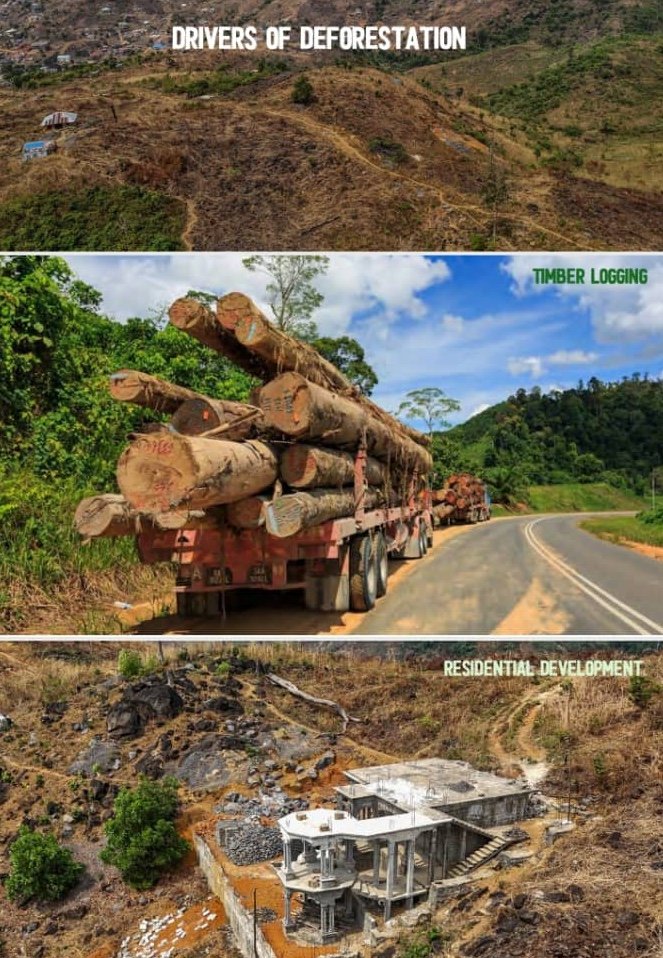
Moreover, land-use regulation — a key tool for fighting deforestation and informal settlements in flood-prone areas — is weakly enforced, and environmental regulations are often ignored or undercut by political interference.
The report warns that without radical shifts in investment strategy, Sierra Leone could face compounding crises: food insecurity from failed crops, electricity shortages due to erratic hydro flows, and increased health burdens from waterborne diseases.
Yet amidst the urgency, implementation remains sluggish. The government’s 2025–2029 Medium-Term National Development Plan is expected to integrate climate objectives more deeply, but many doubt its operational feasibility.
“The plan is ambitious,” said Aminata Sesay, a former Ministry of Planning official. “But unless we change how we budget, regulate and enforce — and unless the funds actually hit the ground — we’ll remain in planning mode while disasters unfold.”
Sierra Leone’s climate vulnerability is not just about floods and droughts. It is a governance crisis, an investment crisis, and ultimately a question of whether development gains can survive the pressures of a rapidly changing climate. Unless bold reforms are matched with timely and well-directed finance, the country risks being locked in a cycle of rebuilding what climate change continues to destroy.