Coastal communities benefit from UN aid against climate chaos
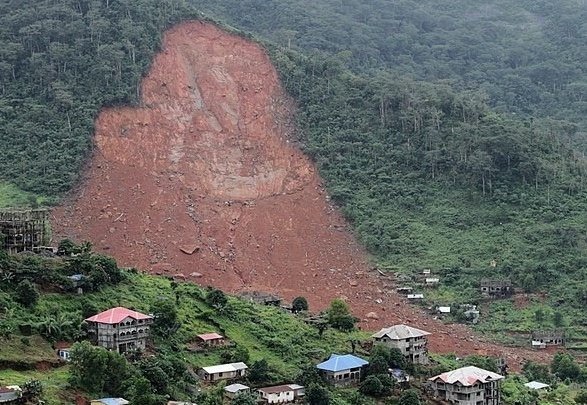
The 2025 United Nation’s (UN) mid-year report revealed that crucial funding was injected into Sierra Leone to fortify coastal areas against the escalating threats of climate change and environmental disaster.
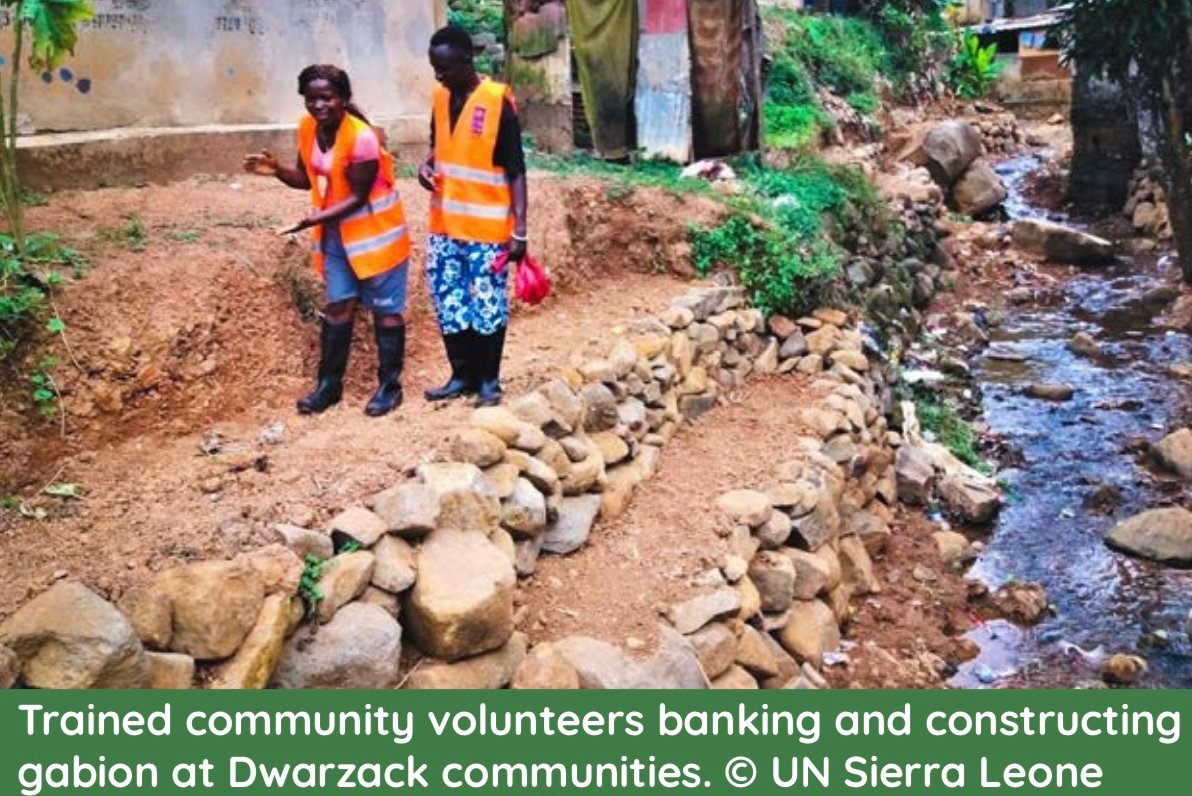
The result indicates that 17 coastal fishing communities are now benefiting from the introduction of Community-Based Disaster Risk Reduction (CBDRR) approaches, equipping them with the tools and knowledge to weather climate-related shocks.
This initiative focuses on gender-responsive prevention, preparedness, early warning, and response systems, mitigating the disproportionate impact of environmental challenges on vulnerable populations, particularly in informal settlements.
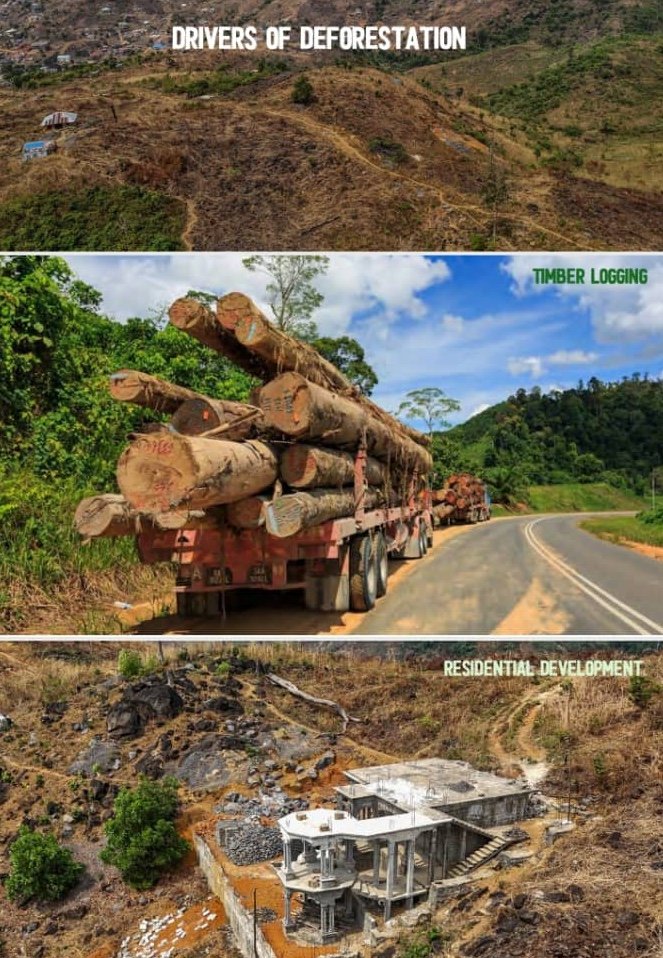
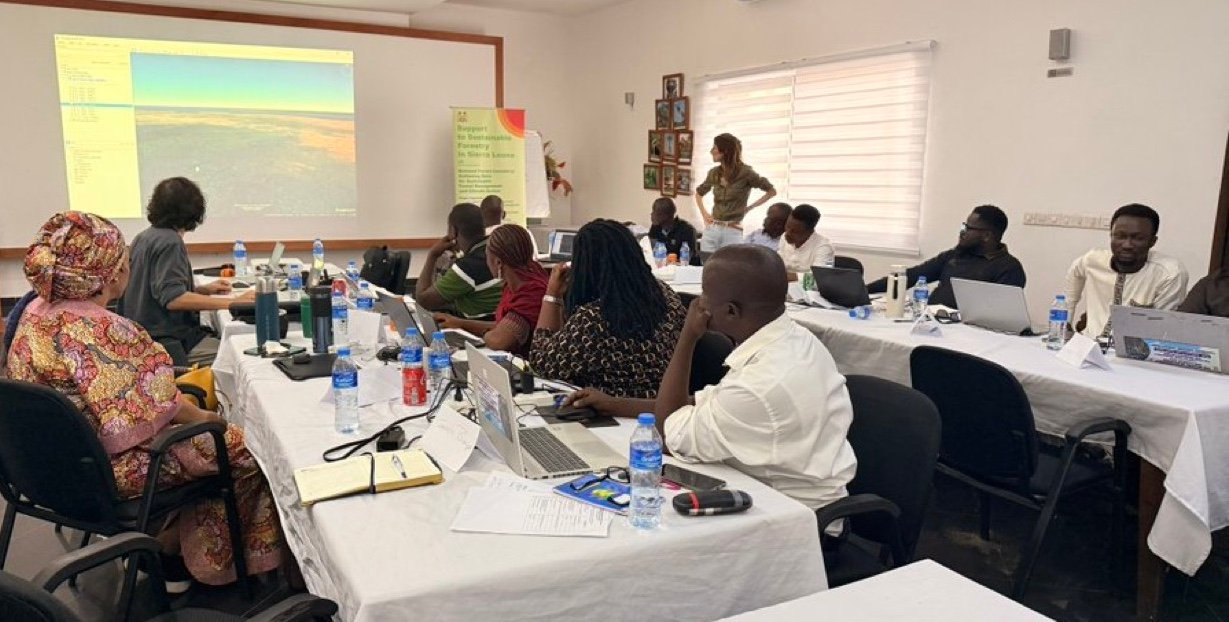
The periodic forest cover monitoring of the Western Area Peninsula National Park, was also supported by UN funding, provided the government and the public with critical, evidence-based insights into alarming deforestation trends. This data empowers informed decision-making and targeted interventions to protect vital natural resources.
To further bolster environmental protection, the UN provided essential water testing equipment to the Environmental Protection Agency (EPA), enhancing the capacity to monitor water quality in vulnerable communities.
The National Disaster Management Agency (NDMA) also received a boost, with the donation of tablets to strengthen data collection and early warning systems. A newly established National Disaster Management Tool Bank promises to enhance preparedness and response capabilities across the board.
In Moyamba and Kambia Districts, strengthen the capacity of local government to respond to climate change, directly addressing the link between climate impacts and human mobility is still in progress. As UN support Local Councils, with developing new policies and by-laws designed to manage climate-related migration, enhancing security and resilience for their communities.
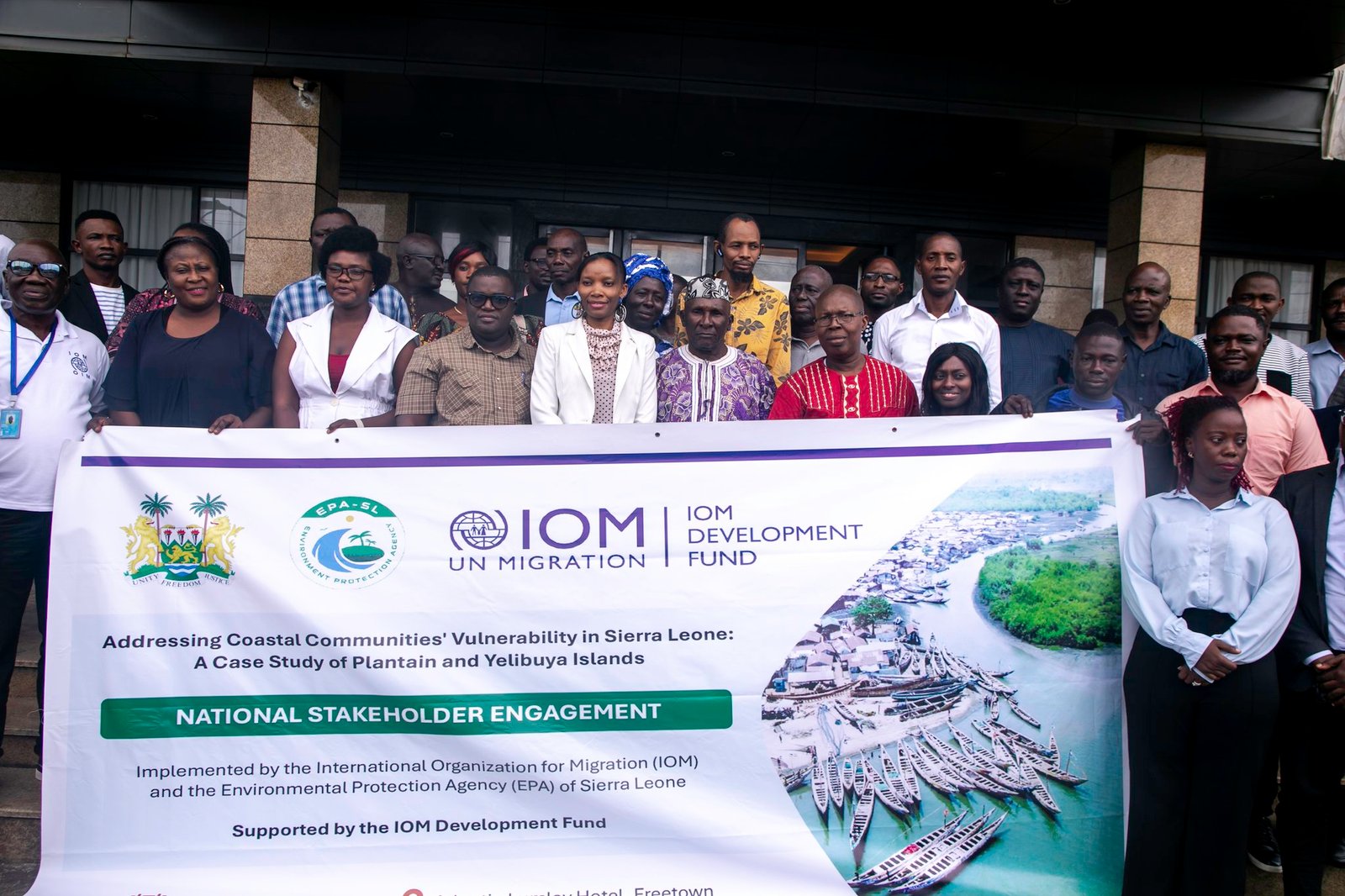
A climate vulnerability study, conducted by the UN in collaboration with the EPA, has assessed the resilience of the coastal island communities of Plantain and Yelibuya Islands. The study paints a stark picture, revealing a high vulnerability to climate change challenges including erosion, flooding, sea level rise, and livelihood depreciation.
The findings will inform targeted interventions to protect these communities and mitigate the impacts of climate change. These interventions represent a significant step toward building a more resilient and sustainable coastal communities, while also promoting economic stability within the local markets.