UN program boosts food security, rural economy in Sierra Leone
A United Nations (UN) led initiative, supporting Sierra Leone's "Feed Salone" program, yielded tangible results in bolstering food security and empowering rural communities across the nation, a 2025 mid-year report highlighted.
Between January and June 2025, the UN, in collaboration with the Ministry of Agriculture and Food Security, injected significant resources and expertise into livestock production, sustainable agriculture, and financial inclusion, particularly targeting smallholder farmers and women-led households.
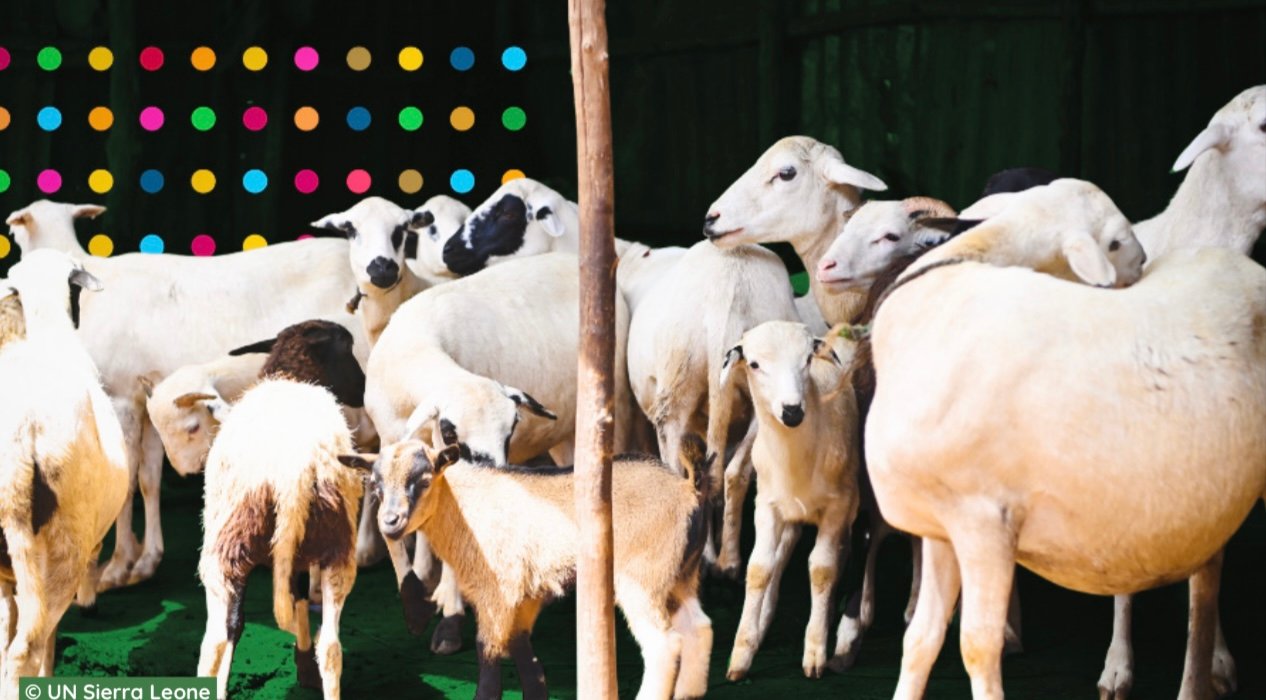
The initiative, aimed at building a more resilient and food-secure future, distributed 9,910 poultry birds, 4,935 live goats, and 73,500 kilograms of poultry starter feed.
Over 51,000 small ruminants were vaccinated, mitigating disease risks and enhancing livestock productivity. These efforts are laying the groundwork for increased protein availability and income generation for rural communities.
The program goes beyond mere distribution, as over 5,000 households, a significant portion led by women, are adopting sustainable farming practices. In Bonthe, 1,200 households are now cultivating drought-tolerant, nutrient-rich Orange-Fleshed Sweet Potatoes (OFSPs), and training programs implemented through 40 new farmer field schools.
Across Moyamba, Kenema, and Bo, another 3,800 women smallholder farmers in 20 agricultural cooperatives have honed their skills in climate-smart techniques, agribusiness, and financial literacy. This has fostered better record-keeping, improved agricultural practices and overall financial management, allowing farmers to make more informed decision on production and profitability.
The report pointed that more than 100 women are leveraging a WhatsApp group to share real-time market prices, directly boosting their economic independence and negotiating power. Also, the distribution of improved, drought-resistant seeds to 2,000 women further reinforces their ability to achieve more productive harvests and build stronger livelihoods.
The UN, through the "Salone Access to Finance Project." contracted banks – Guarantee Trust Bank and Rokel Commercial Bank, which established 205 financial access points in underserved districts, including Kono, Portloko, Kenema, Bo, and Moyamba. These access points have provided financial services to over 8,100 rural farmers, agricultural MSMEs, and youth, bridging the gap in financial services for those previously excluded.
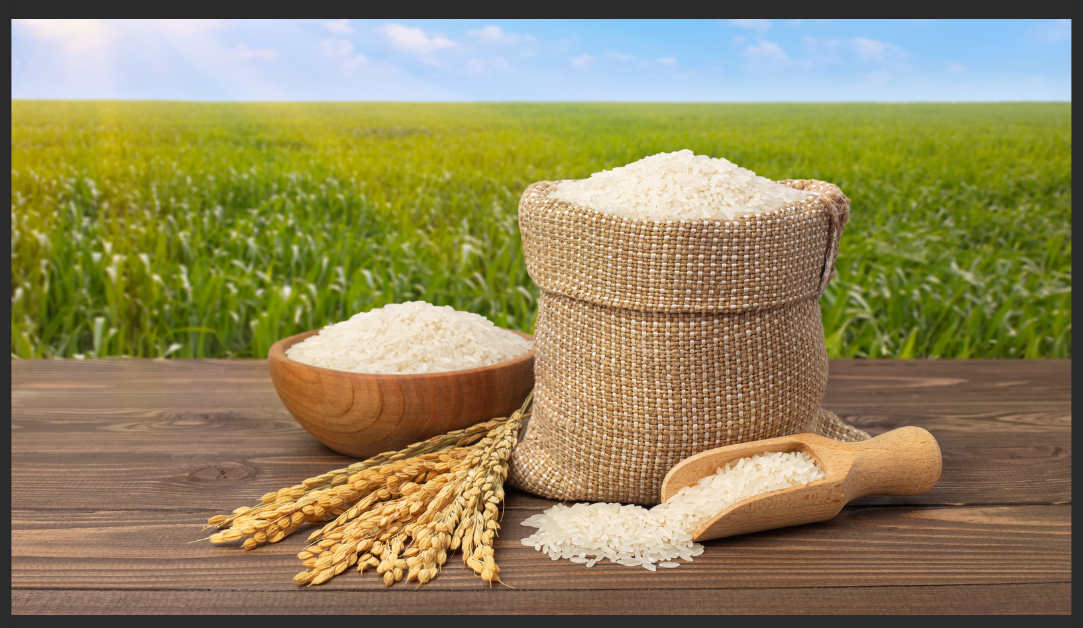
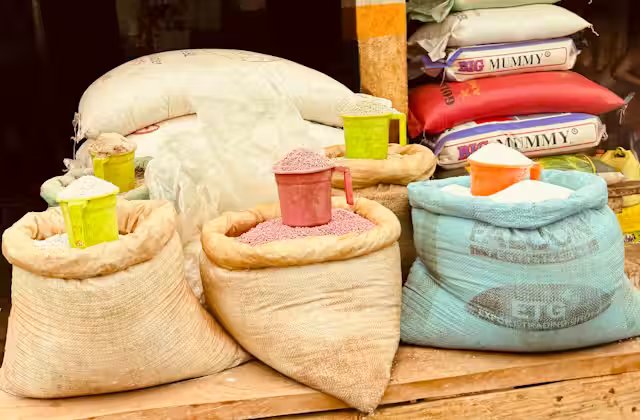
The establishment of four Rice Cooperatives in Pujehun and Bonthe districts, coupled with capacity building for frontline staff in cooperative management, food safety, and quality management, is streamlining rice production and ensuring market competitiveness.
Moreover, nearly 4,000 farmers have benefited from conditional cash transfers through Inland Valley Swamps (IVS) development and rehabilitation.
Recognizing the vulnerability of farming communities to climate change, the UN supported the design and piloting of Sierra Leone's first climate risk insurance product, approved by the Sierra Leone Insurance Commission (SLICOM), with1,200 farmers signed up for this insurance, providing a safety net against climate-related financial losses, the report detailed.
Futhermore, to enhance post-harvest processing and handling, the UN has established a solar-powered cold storage refrigeration facility to support 750 women households, by reducing post-harvest losses and improving food preservation using clean energy. Through the establishment of 10 rice milling hubs, 8,670 households gained access to improved post-harvest processing, reducing losses, encouraging sustainable value addition, and supporting cleaner production chains.
These combined efforts represent a significant step towards realizing Sierra Leone's food security goals and empowering its rural communities to thrive in a changing climate. The UN's commitment to providing resources, expertise, and fostering sustainable practices is poised to have a lasting impact on the nation's agricultural sector and overall economic development.