New Reforms To Break Banking Oligopoly
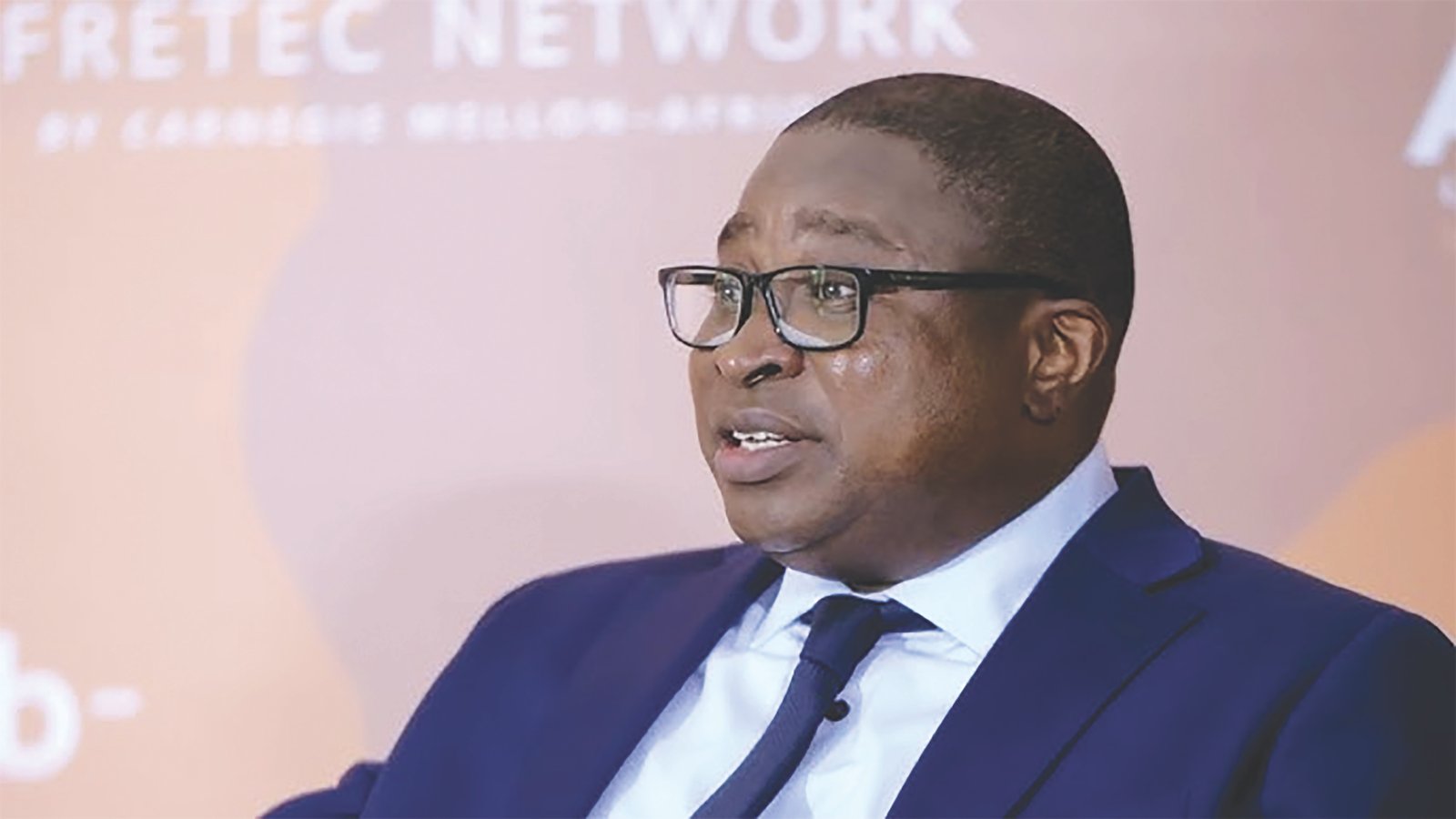
The Central Bank of Sierra Leone (CBSL) has launched bidding for an $18 million Islamic finance framework, a landmark move that could upend the country’s long‑standing commercial banking oligopoly and dramatically lower the cost of capital for millions of unbanked citizens. The initiative—financed by the Islamic Development Bank (IsDB) under Grant No. SLE1034—is being described by senior officials as the most aggressive financial‑sector reform effort in West Africa in a decade.
CBSL Governor Dr. Ibrahim Stevens said the current banking model has excluded most Sierra Leoneans from formal finance.
“We cannot pretend that our conventional banking model has achieved financial inclusion when over 70% of Sierra Leoneans remain outside the formal system,” he said. “This Islamic finance framework is not a religious project, it is an economic survival strategy.”
Bank sources say the framework will target markets where interest‑based lending has historically suffocated small businesses and pushed low‑income households into informal savings groups. The IsDB, according to Stevens, views Sierra Leone as a “critical test case” for dual‑banking systems in fragile economies. At the heart of the assignment—valued at $1.2 million in consulting fees—are two high‑stakes reforms:
• A new legal and regulatory architecture for Islamic banking, including prudential standards, capital adequacy rules, and a Shariah governance manual that will create a parallel regulatory system within CBSL. • A Shariah‑compliant Lender of Last Resort (LOLR)—a liquidity backstop no West African central bank has successfully implemented.
Experts say the LOLR mechanism is essential to prevent Islamic banks from remaining structurally fragile. The urgency behind the reform is rooted in Sierra Leone’s long‑standing market concentration. Three commercial banks control more than 60% of total sector assets, contributing to average lending rates that have hovered near 20% for five consecutive years.
CBSL’s Director of Financial Stability, Mohamed Sankoh, said the system has “priced out an entire generation of entrepreneurs,” particularly in the Muslim‑majority northern and eastern provinces, where distrust of interest‑based banking has left communities dependent on informal savings clubs.
The tender documents outline stringent expertise requirements, including: aTeam Leader with at least 15 years’ experience in financial regulation, an Islamic finance technical expert certified by AAOIFI or IFSB and a Shariah governance specialist with deep knowledge of Fiqh al‑Muamalat.
Notably, the framework must include a “Mini‑Roadmap” integrating Zakat, Waqf, and Sadaqah into the national financial architecture—an unprecedented step in Sierra Leone’s policy landscape. Consulting firms have until June 30, 2026, to submit Expressions of Interest under the Consultant Qualifications Selection (CQS) method. A phased rollout begins July 2026, with full implementation expected by December 2027.
CBSL procurement officer Philip Bangura said shortlisted firms will be assessed on their track record in emerging markets and experience with West African regulatory environments.