Local councils face scrutiny over financial discrepancies
A parliamentary probe into Sierra Leone's local councils has revealed widespread breaches of financial regulations and procurement laws, raising concerns over transparency and accountability in the management of public funds at the local level.
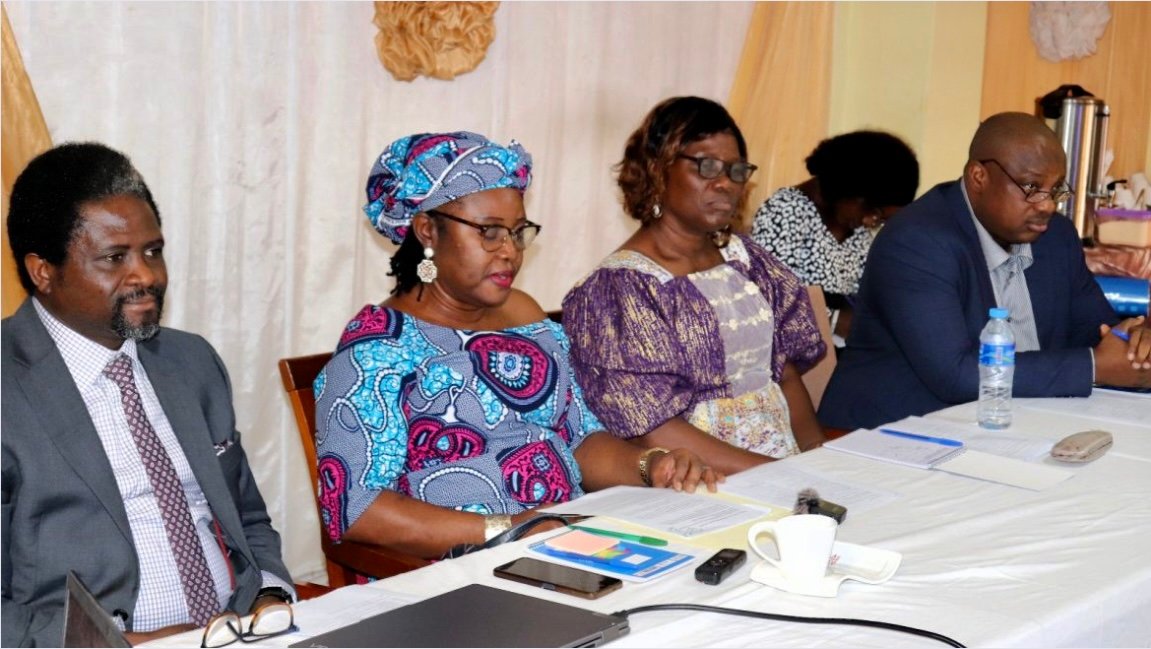
The inquiry was carried out by Parliamentary Committee on Transparency and Accountability, which concluded a four-day oversight tour across 18 councils nationwide in late August, exposing a range of issues that threaten effective service delivery and erode public trust.
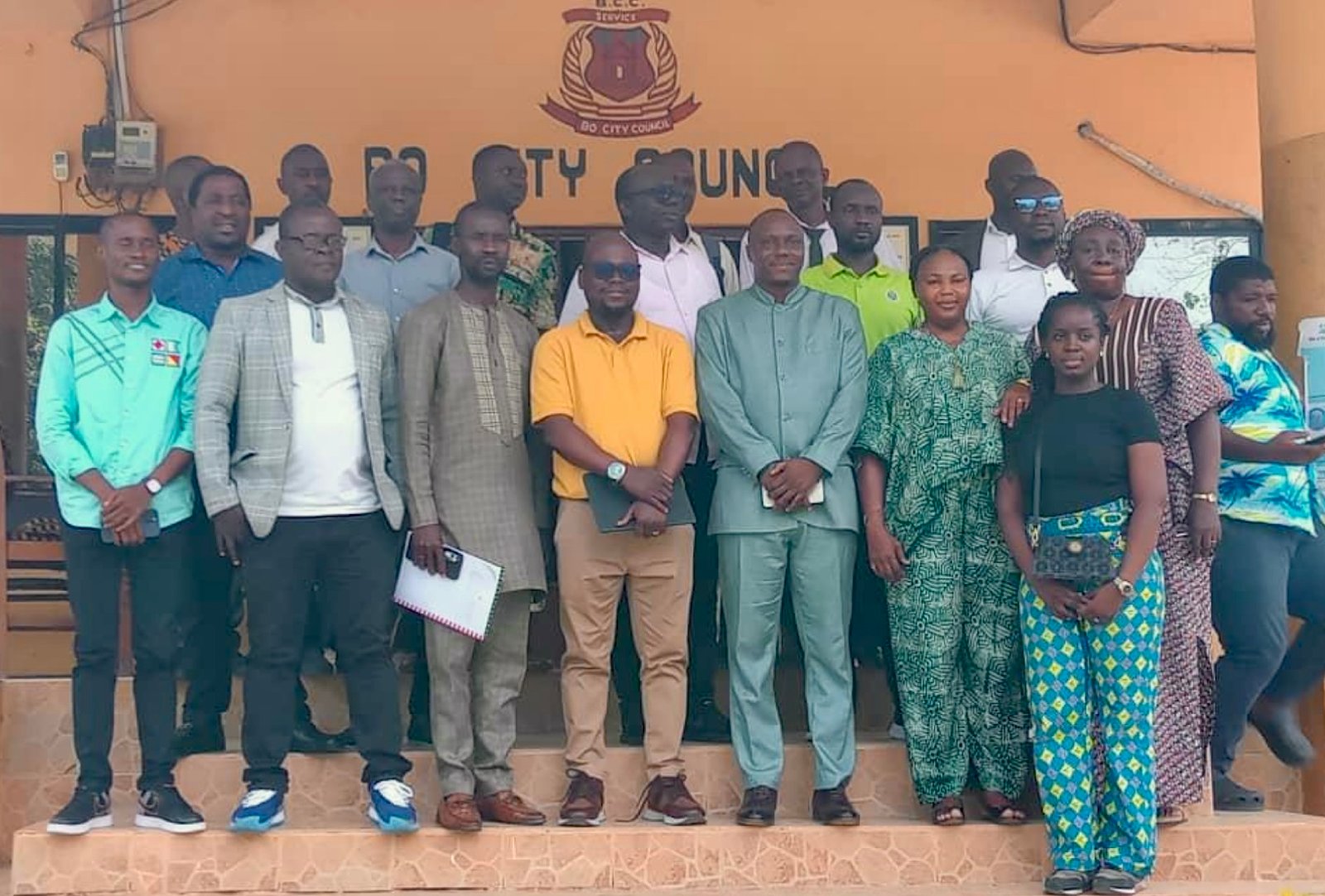
The Committee, mandated to scrutinize financial compliance, procedural adherence, and procurement practices, targeted councils including Kambia, Portloko, Kono, Koinadugu, Karene, Tonkolili, Bombali, Kenema, Kailahun, Pujehun, Bo, and Bonthe, among others. The investigation, underpinned by Section 93 of the 1991 Constitution, is part of Parliament's broader effort to ensure prudent financial management and effective service delivery across all government institutions.
While council administrators presented reports on their activities, achievements, and challenges, the Committee's observations painted a less flattering picture. A key finding revealed that most councils are in violation of Section 119 of the Local Government Act 2022. Further digging exposed discrepancies in financial documentation, suggesting potential irregularities.
The investigation further highlighted the impact of delayed financial allocations on council operations, hindering their ability to effectively implement projects and deliver essential services. In some cases, the committee found that funds earmarked for specific construction projects had not been used judiciously, raising concerns about value for money and potential misuse of resources.
Moreover, the committee also discovered violation of procurement laws by some councils with respect to doing advertisement for procurement purposes. Despite the shortcomings, the committee acknowledged progress in gender inclusiveness within council structures.
Ambross Lebby, chairman of the Parliamentary Committee, emphasized the committee's commitment to ensuring full compliance with the law. He stated that Parliament's role is not to persecute, but to ensure accountability and effective service delivery to the people.
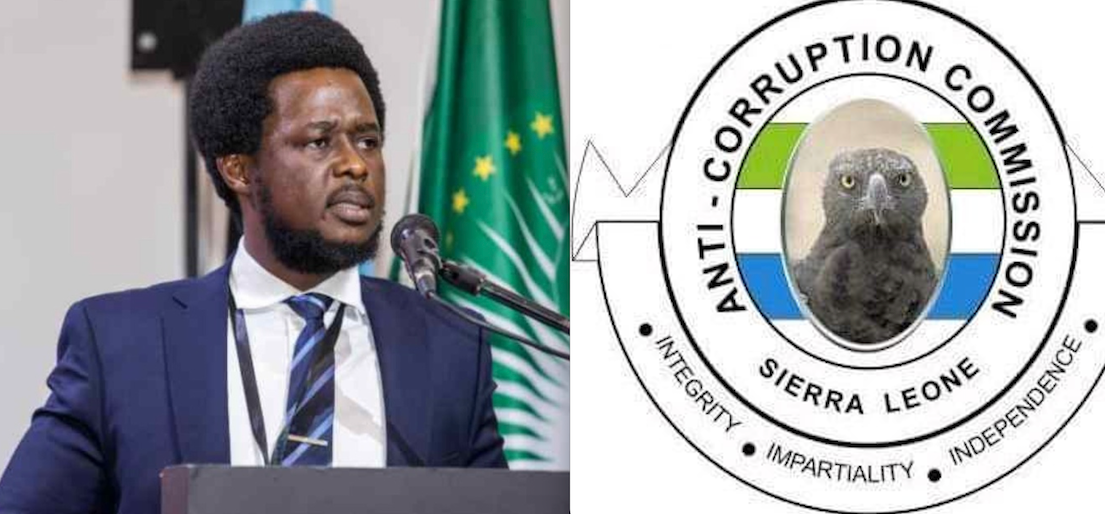
He further highlighted the existing Memorandum of Understanding between the Committee and the Anti-Corruption Commission (ACC), which is currently under review, a partnership that aims to strengthen accountability mechanisms and ensure that any violations of the law are thoroughly investigated and prosecuted.
The findings are expected to lead to further investigations, recommendations for remedial action, and, potentially, legal consequences for those found to have violated financial regulations.
The scrutiny underscores the critical role of parliamentary oversight in safeguarding public funds and promoting good governance at all levels of government. Moving forward, the focus will be on implementing corrective measures to ensure that local councils operate with greater transparency, efficiency, and accountability, ultimately benefiting the citizens they serve.