Guinean markets squeeze Sierra Leone, Liberia border traders
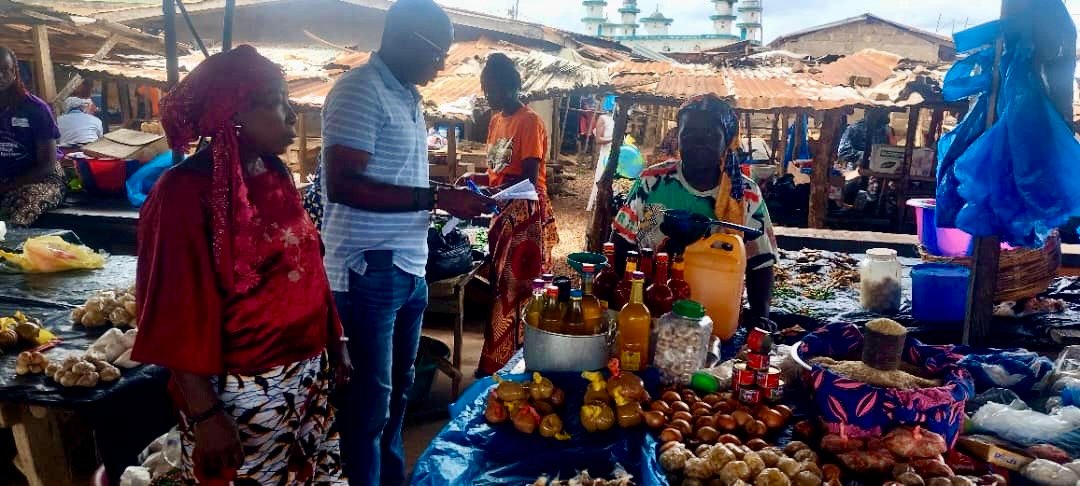
Sierra Leone (Koindu) and Liberia (Foya) are witnessing a harsh reality with the Guinean (Nongoa, Gueckedou) markets dictating prices in the border towns, with hundreds of small-scale traders, predominantly women dealing in agricultural produce, struggling to survive.
These traders, the lifeblood of local economies, at the mercy of larger, more organized Guinean buyers who leverage their market dominance to suppress prices on essentials like gari, palm oil, vegetables, and other locally grown produce, are forced to accept unfavourable terms or risk ruin.
Entrepreneurs are caught in a cycle of barely breaking even, a situation advocates say demands urgent regional intervention and harmonized trade regulations to protect the vulnerable backbone of these cross-border economies.
“We don’t have the power to argue,” explained Mariama, a gari seller from Koindu. “By the time we carry our goods across, we must take whatever price they give us; otherwise, we go back home with nothing”. Her words reflect the frustrations of countless women.
Analysis reveals a critical imbalance, while these women manage the farming, harvesting, processing, and transportation of goods, they often lack formal recognition for small-scale traders, access to credit, storage, and cooperative associations that would strengthen their negotiating position. This absence of support leaves them vulnerable, to exploitation by Guinean buyers.
The issue, as observed by a community leader in Foya, is that these women, the backbone of the regional trade network ensuring food security across borders, are the most vulnerable. They lack the bargaining power necessary to negotiate fair prices in Guinea's larger, more organized markets, and without fairer mechanisms, they will continue to be exploited.
The situation has sparked growing calls as development experts and local stakeholders are calling for government and regional intervention within the Mano River Union (MRU). The urgent need for the harmonized market regulations, transparent transactions, and tailored support structures for women traders has become crucial.
As experts emphasize, empowering these traders is not only a social imperative but a key economic driver for regional stability, food security, and poverty reduction. The current reality, as one trader poignantly stated is, “We go to sell, but at the end of the day, it feels like we are the ones being sold.”