Global mental health crisis affects over 1 billion people: WHO
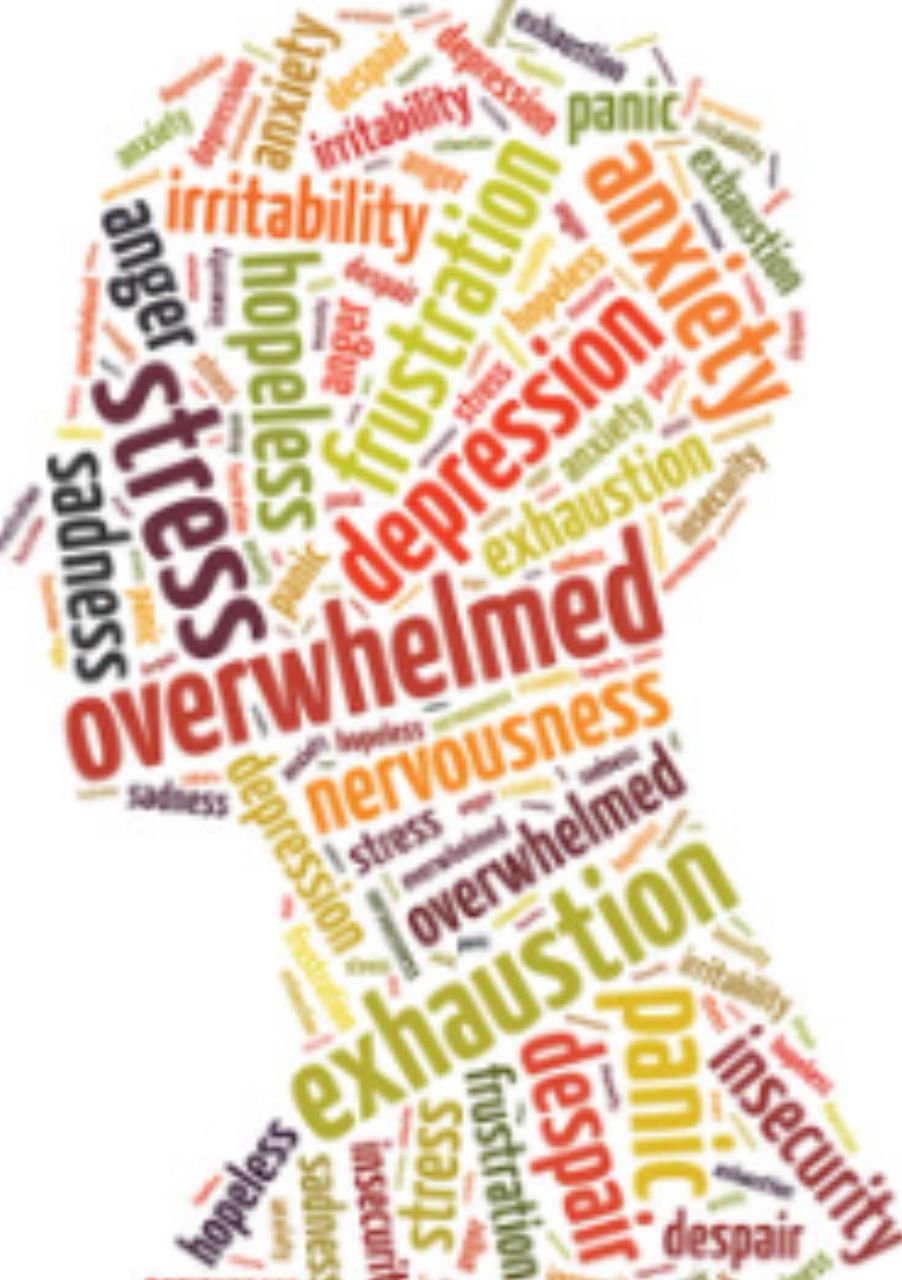
More than one billion people around the world are now living with mental health conditions, according to a comprehensive new report released by the World Health Organization (WHO).
Disorders such as depression and anxiety are now the second leading cause of long-term disability globally, fuelling a silent epidemic that exacts a heavy toll on individuals, communities, and economies.
The WHO estimates that mental health-related productivity losses alone cost the global economy approximately US$ 1 trillion every year.
The findings are drawn from the WHO’s World Mental Health Today and the Mental Health Atlas 2024, offering a detailed look at the global state of mental health care.
Although 71 percent of countries have formally integrated mental health into primary care systems, only 45 percent have legal frameworks that fully comply with international human rights standards.
Government spending remains alarmingly low, with mental health receiving a median of just 2 percent of national health budgets. The disparity in spending is vast: high-income countries invest up to US$ 65 per person on mental health services, while low-income countries spend just US$ 0.04.
The human cost is equally stark. Suicide remains a major global health issue, with 727,000 deaths recorded in 2021. While the United Nations set a goal to reduce suicide rates by one-third by 2030, current progress indicates only a 12% decline is likely to be achieved—far from what is needed.
Still, there are signs of progress. Since 2020, the proportion of countries including mental health and psychosocial support in emergency and disaster responses has more than doubled, rising from 39 percent to over 80 percent. Yet major gaps persist. Fewer than 10 percent of countries have made a full shift to community-based mental health care, and access to outpatient services and telehealth remains inconsistent, especially in rural and under-resourced areas.
WHO Director-General Dr. Tedros Adhanom Ghebreyesus urged global leaders to act decisively: “Investing in mental health means investing in people, communities, and economies… Mental health care must be treated not as a privilege, but as a basic right for all.”
These findings will be central to discussions at the upcoming 2025 UN High-Level Meeting on Mental Health and Noncommunicable Diseases, set to take place in New York on September 25. The event is expected to draw world leaders, health ministers, and civil society advocates aiming to elevate mental health to a top-tier global development priority.
The WHO reports emphasize that while awareness is growing, the world remains at a crossroads. Without urgent policy shifts, stronger financing, and rights-based reforms, the global mental health crisis will continue to escalate—impacting not just those living with mental illness, but society as a whole.