Billions for free education, but classrooms are empty: CARL Report
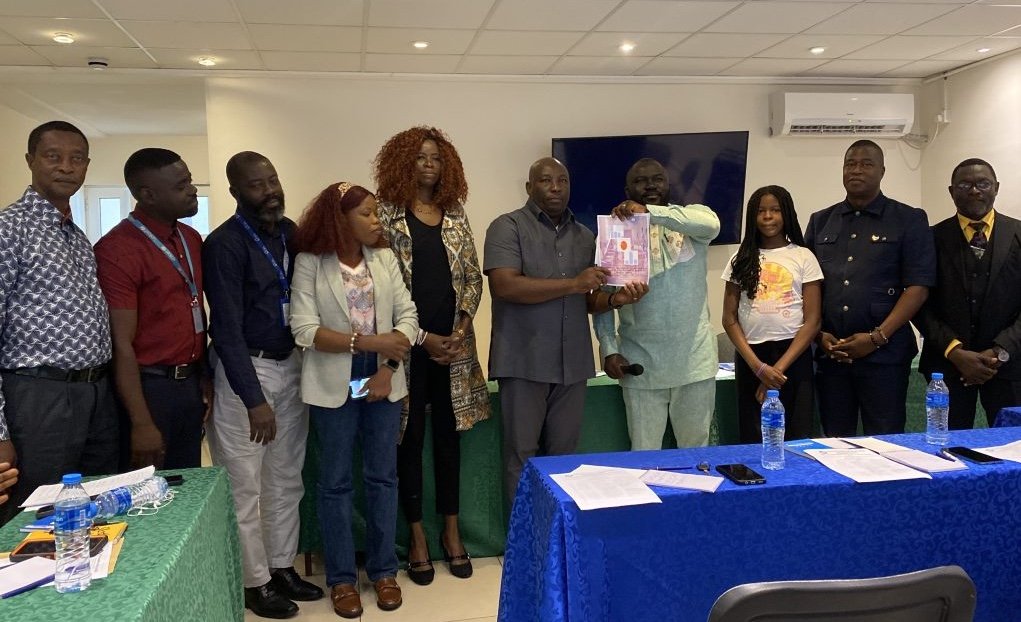
Sierra Leone has long showcased its 20 percent education budget allocation—one of the highest in West Africa—as proof of its commitment to the Free Quality School Education (FQSE) programme. But a new report by the Centre for Accountability and Rule of Law (CARL-SL) exposes a harsh reality: billions may be budgeted, but schools are left with little to show for it.
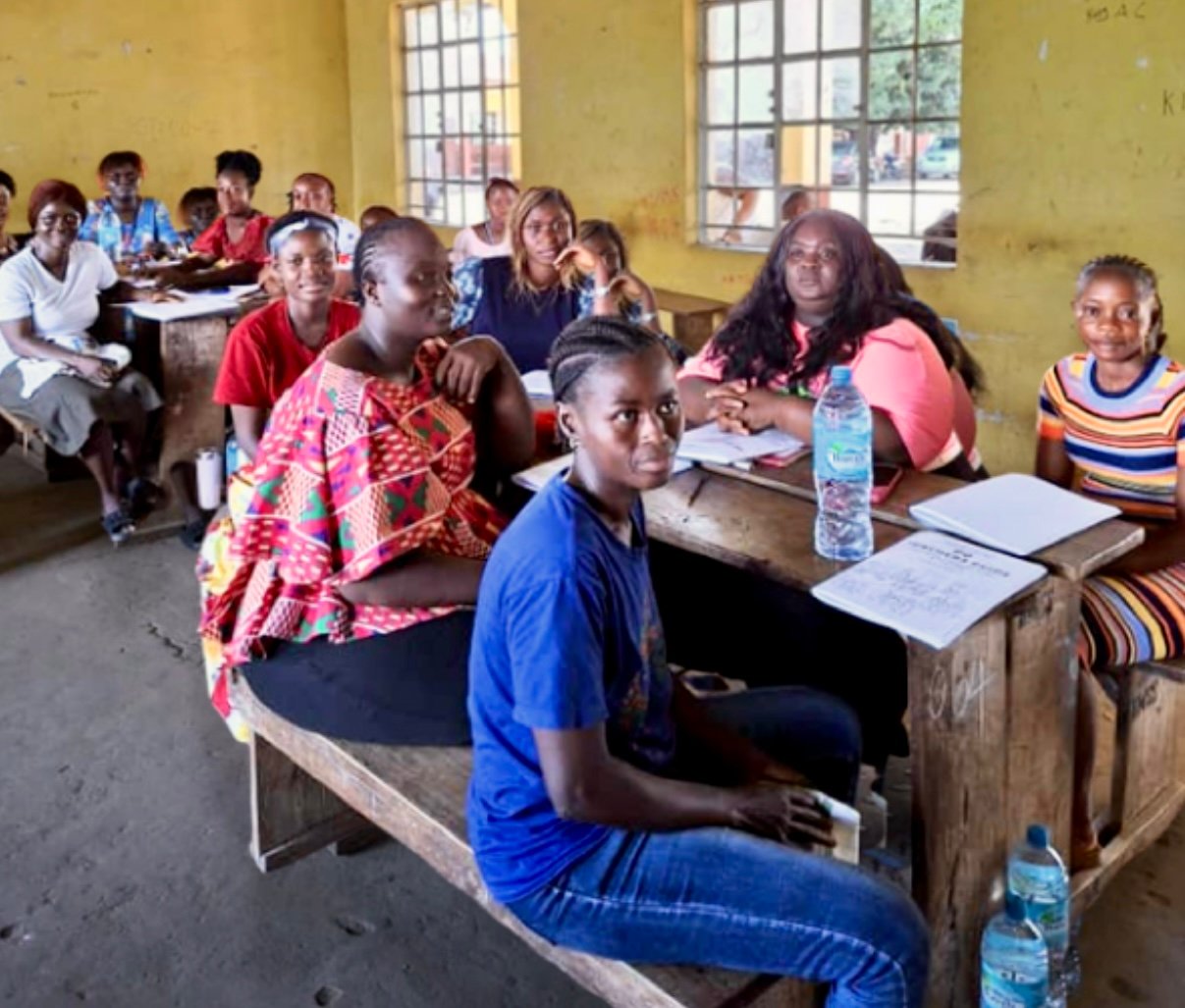
CARL’s eight-district survey of 120 schools reveals a system where allocations remain trapped in paperwork, while pupils struggle without the most basic learning tools:
Only 36.6 percent of schools reported receiving stationery in the past year.
Just 16 percent accessed textbooks or teaching materials—despite repeated government claims of nationwide supply.
A mere five percent benefited from the school feeding programme, a policy the government touts as a cornerstone of retention.
The Budget Mirage Government budget speeches from 2023 to 2025 announced billions of Leones for school subsidies, textbooks, and meals. Yet CARL’s findings show that in many rural and peri-urban classrooms, head teachers haven’t seen a single government-issued textbook or feeding delivery in years. Where subsidies are disbursed, they are delayed and incomplete—with schools often receiving only first-term allocations, leaving the rest of the academic year unfunded. Meanwhile, parents and communities remain in the dark about what schools are entitled to, creating fertile ground for mismanagement and bottlenecks.
Voices from the Ground A head teacher in Port Loko captured the frustration: “We hear on the radio that billions have been allocated, but we run classrooms without chalk, without books, and without food for children. Free education here is in name only.”
CARL’s Call to Action CARL warns that unless government matches its budgetary rhetoric with timely and transparent delivery, the FQSE risks collapsing into a political slogan rather than a transformative policy. It recommends: Releasing subsidies before school terms begin. Publishing a clear breakdown of what each school is entitled to in stationery, textbooks, and feeding. Establishing community-level accountability mechanisms so parents can verify what has been delivered.
The CARL report underscores a painful contradiction: Sierra Leone spends more of its budget on education than many of its neighbours, but children still sit in classrooms without books, without food, and without hope.
Until budget figures translate into real desks, real books, and real meals, the Free Quality School Education programme will remain, as CARL bluntly concludes, “a dream deferred, not a reality delivered.”