Transport Tighten Pressure on Households and Businesses
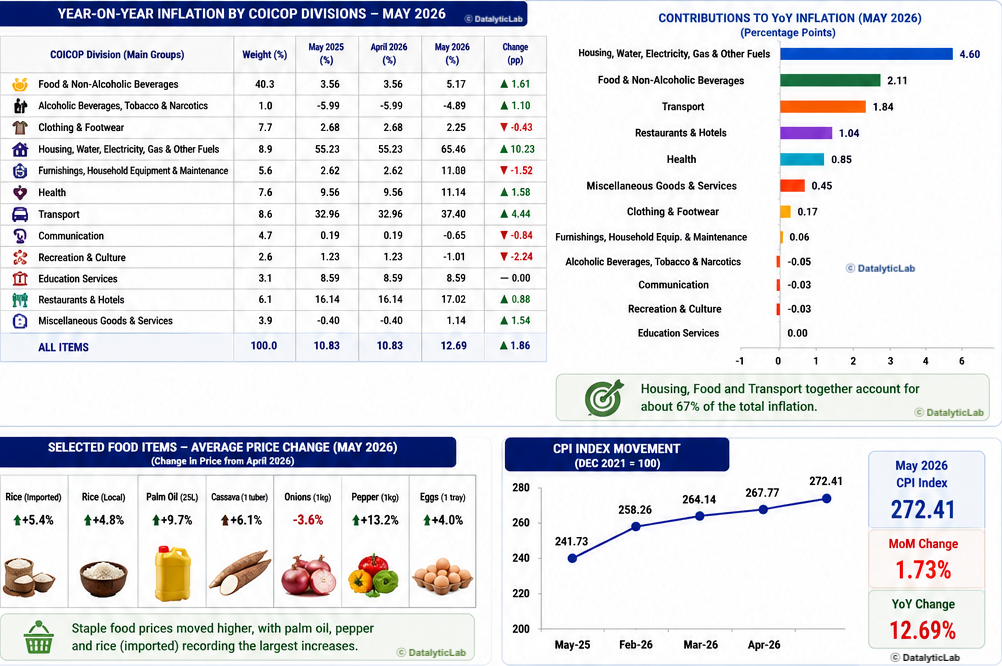
Transport prices continued their upward climb in May 2026, according to the latest Statistical Bulletin from Statistics Sierra Leone, deepening concerns about rising operating costs across the economy. The Transport Index rose to 315.75 in May, up from 305.02 in April, and significantly higher than 229.80 recorded in May 2025. The year on year increase of roughly 37 percent underscores persistent pressures from fuel prices, vehicle maintenance, imported spare parts, and logistics expenses.
Economists warn that transport inflation extends far beyond passenger fares. Higher freight charges are pushing up the cost of food, imported consumer goods, construction materials, and agricultural inputs. Businesses, facing elevated logistics expenses, are increasingly passing these costs on to consumers through higher retail prices.
Food inflation remains particularly sensitive to transport costs. Much of Sierra Leone’s agricultural produce travels long distances from rural farms to urban markets, meaning any rise in transportation expenses quickly feeds into wholesale and retail food prices.
For businesses, persistent transport inflation raises operating costs, complicates wage negotiations, and shapes consumer spending patterns. For households, the combined effect of higher food prices, rising utility bills, and more expensive transportation means a growing share of monthly income is being consumed by basic necessities—leaving less room for savings or discretionary spending.