Debt Ceiling Hits: Sierra Leone Races to Islamic Bank
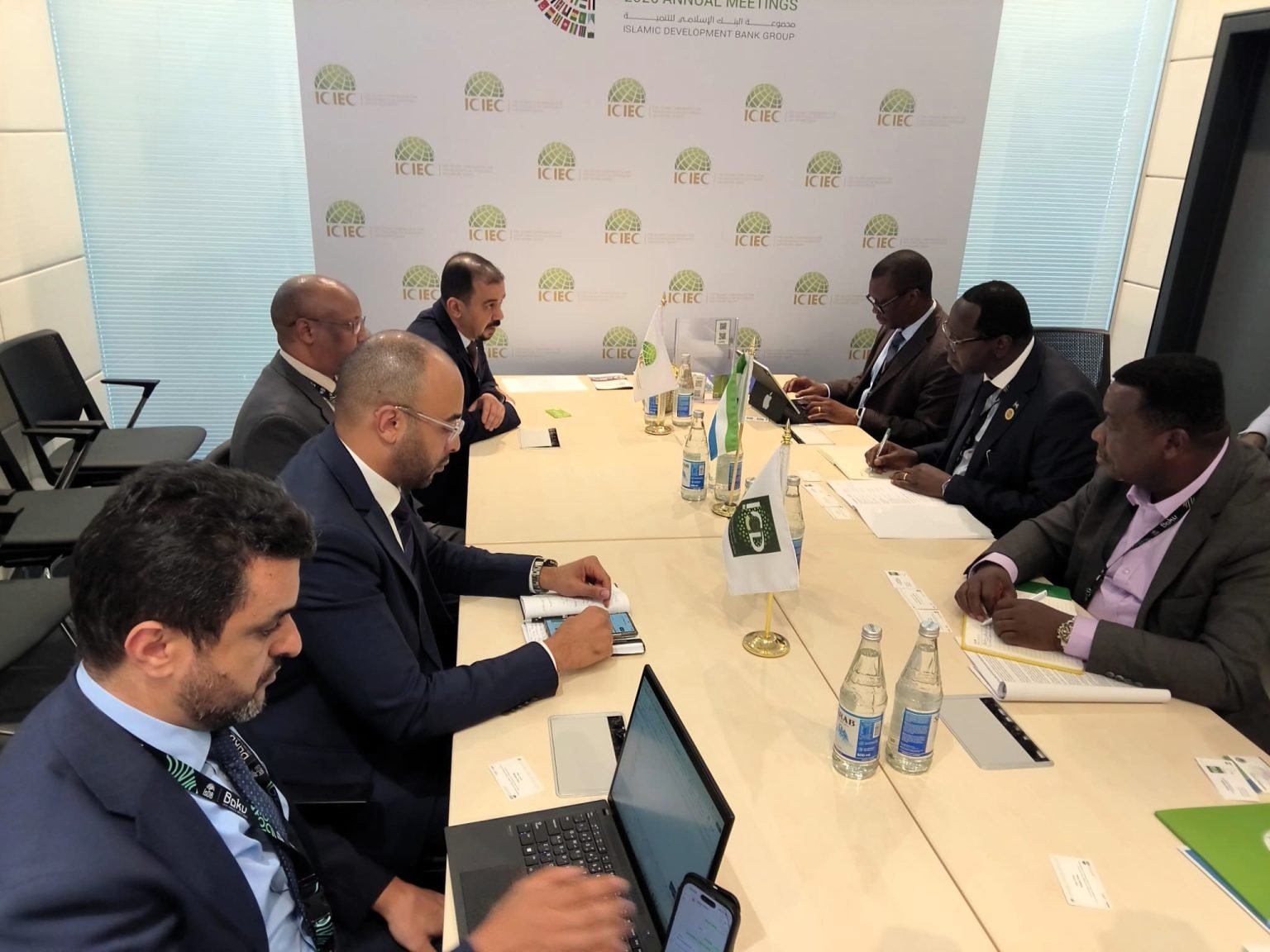
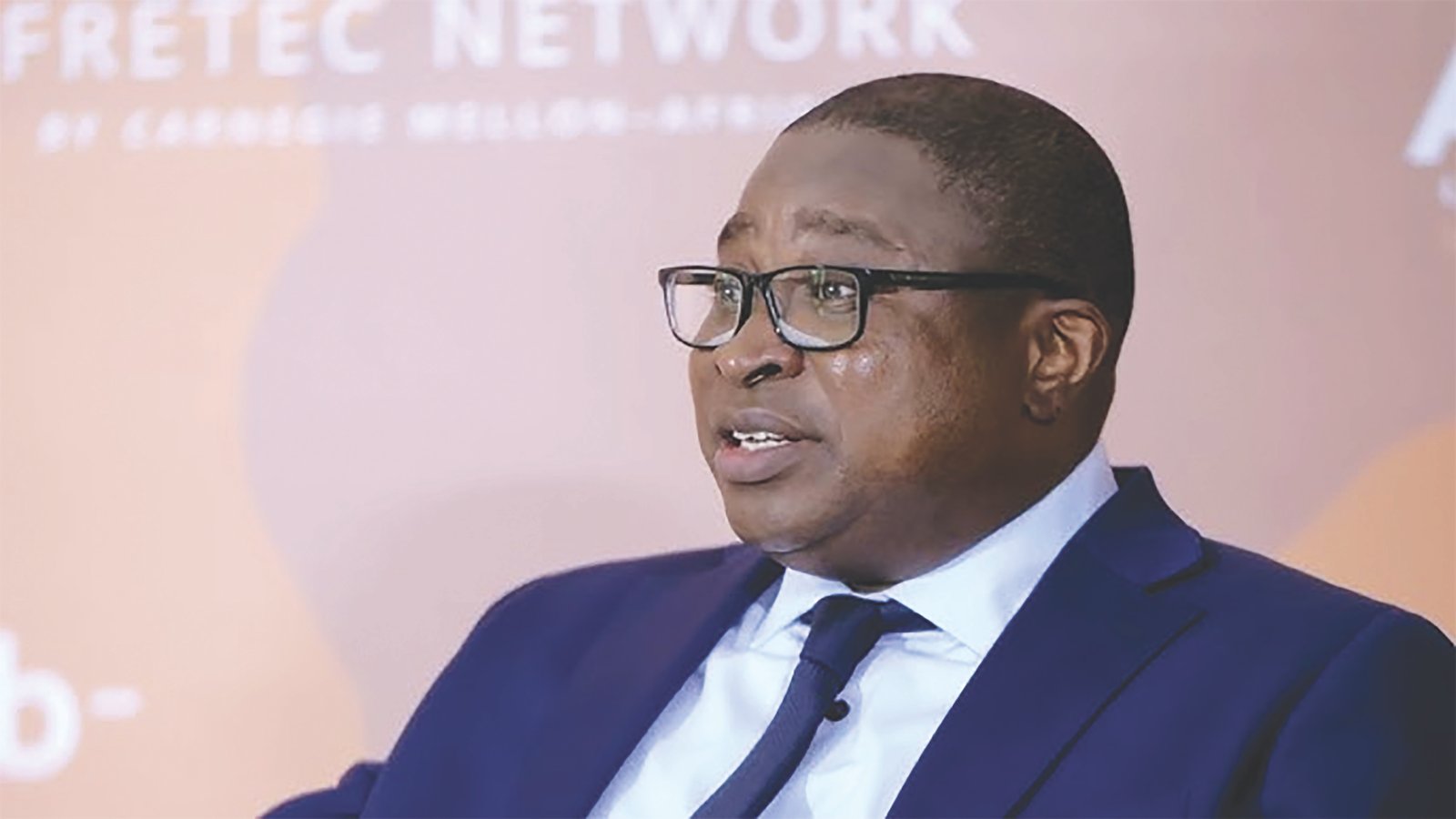
Sierra Leone’s Finance Minister, Sheku Bangura, has outlined why the country’s pivot toward the Islamic Development Bank (IsDB) and its insurance arm, the Islamic Corporation for the Insurance of Investment and Export Credit (ICIEC), has become an urgent economic necessity.
Speaking on the sidelines of the government’s ongoing financing reforms, Bangura said Sierra Leone has “exhausted the sovereign window” of the IsDB—facilities that lend directly to governments. Those channels are now restricted by debt ceilings negotiated with the International Monetary Fund (IMF), which cap how much new public borrowing the country can take on.
With fiscal space tightening, Bangura said the only viable path forward is to shift from sovereign borrowing to private sector–based Islamic financing, particularly ICIEC’s credit and political risk insurance products. These instruments do not add to public debt but still unlock capital for infrastructure, energy, agriculture, and industrial projects.
“The solution lies in mobilising private capital without breaching IMF limits,” Bangura explained, noting that Sierra Leone must now “fund development without deepening debt distress.” Bangura confirmed that the government will begin introducing commercial banks and private sector firms to ICIEC for due diligence, effectively using Sierra Leone’s membership as a gateway for businesses to access insured financing.
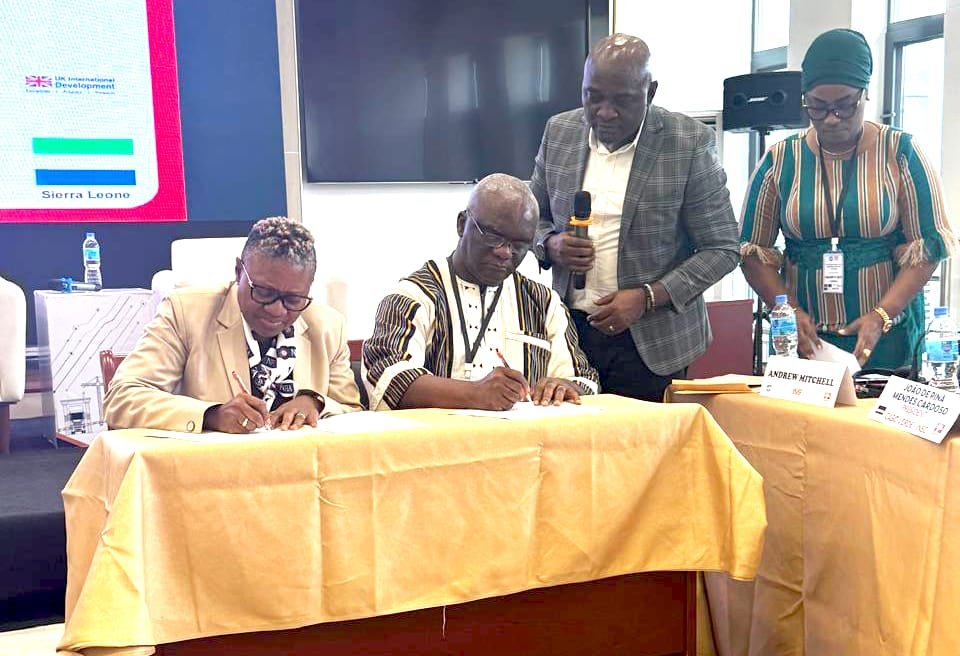
This marks a strategic shift: instead of government to government loans, Sierra Leone aims to channel investment directly into operational businesses, enabling banks, agribusinesses, energy developers, and manufacturers to secure financing backed by ICIEC guarantees. The approach mirrors models used in other emerging markets where risk mitigation tools—rather than sovereign borrowing—drive private investment. Dr Khalid Khalafalla of the ICIEC congratulated Sierra Leone on the accession and informed that ICIEC will now collaborate with both the government and private entities to deliver priority projects in health, water, agriculture, energy, ports, mining, and roads. The institution, he said, would support trade by issuing credit letters for importing strategic commodities and capital equipment—an explicit remedy for the chronic working capital shortages that stifle African companies.