Freetown now drawing power from multiple sources, says minister

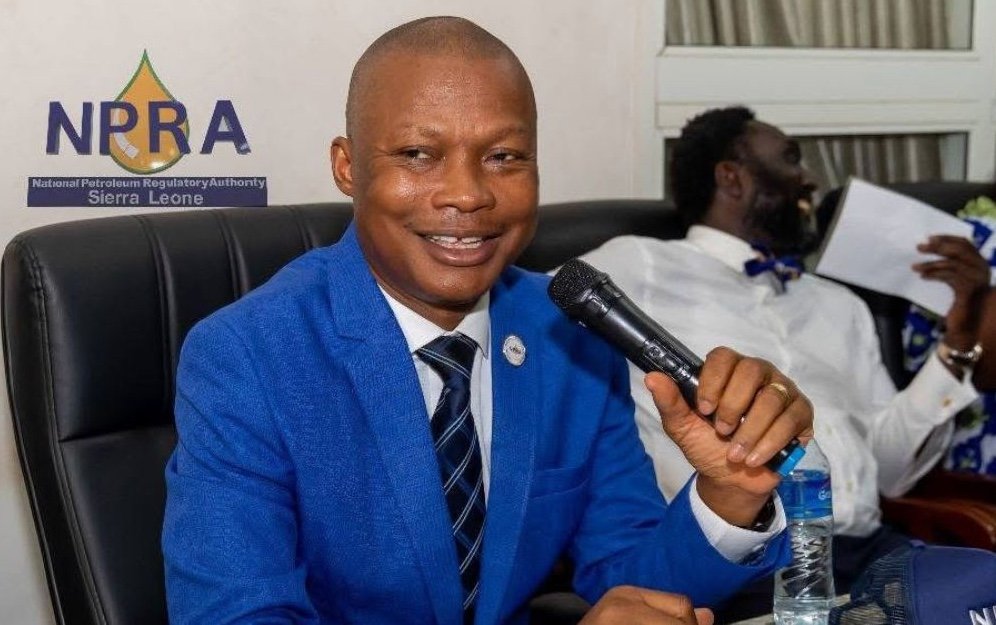
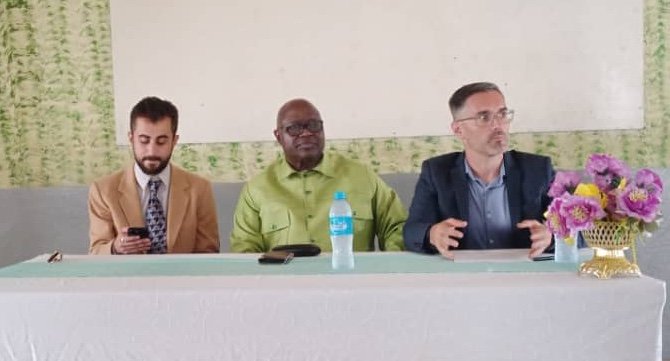
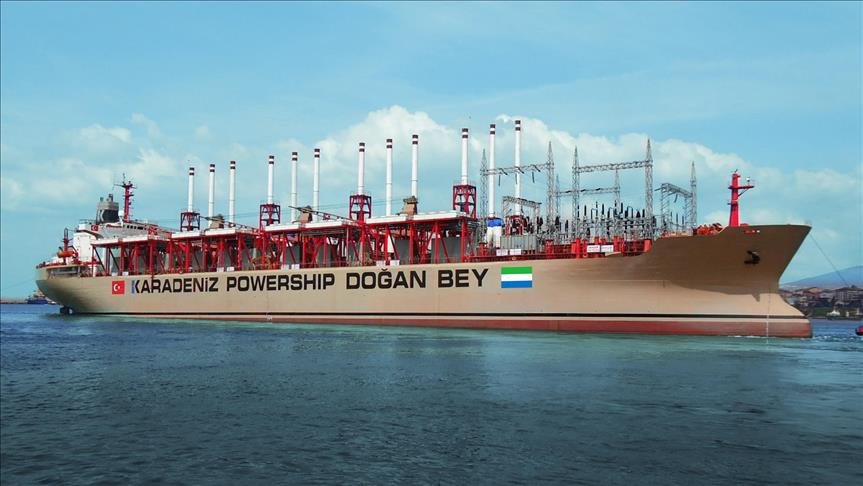
Chairman of the Energy Governance Coordination Group Dr. Kandeh Kolleh Yumkella over the weekend said that Sierra Leone is effectively managing the recent shutdown of the Karpowership floating power plant, citing diversified energy sources and forward planning as key to maintaining electricity supply in Freetown.
Speaking at a press conference in Freetown, Yumkella confirmed that the plant, once a central component of the capital’s energy grid, is now contributing only 5.6 megawatts (MW) of power, down from previous levels.
Despite the reduction, he said, Freetown is currently receiving a total of 56.2 MW from a combination of sources, which include 18.6 MW from the Bumbuna hydroelectric plant, 23 MW from the Côte d’Ivoire-Liberia-Sierra Leone-Guinea (CLSG) interconnection, and 9 MW from the Nigata power generator at Kingtom.
“The sector’s resilience is the result of deliberate planning and diversification,” the minister said. “We have made sure that the impact of the Karpowership shutdown is mitigated.”
To supplement domestic generation, an additional 10 MW has been secured from Guinea, according to him. Negotiations are still underway to finalize the cost of the cross-border supply.
Yumkella also disclosed that Sierra Leone has paid approximately $320 million to Karpowership over the past six years. He described the arrangement as economically unsustainable and emphasized the need for greater investment in nationally owned facilities.
One such facility, the Blackhall Road Power Plant, is expected to return to operation within three months. Repairs are pending, but the necessary spare parts have already arrived in the country. Once operational, the plant is expected to contribute 16 MW to the national grid.
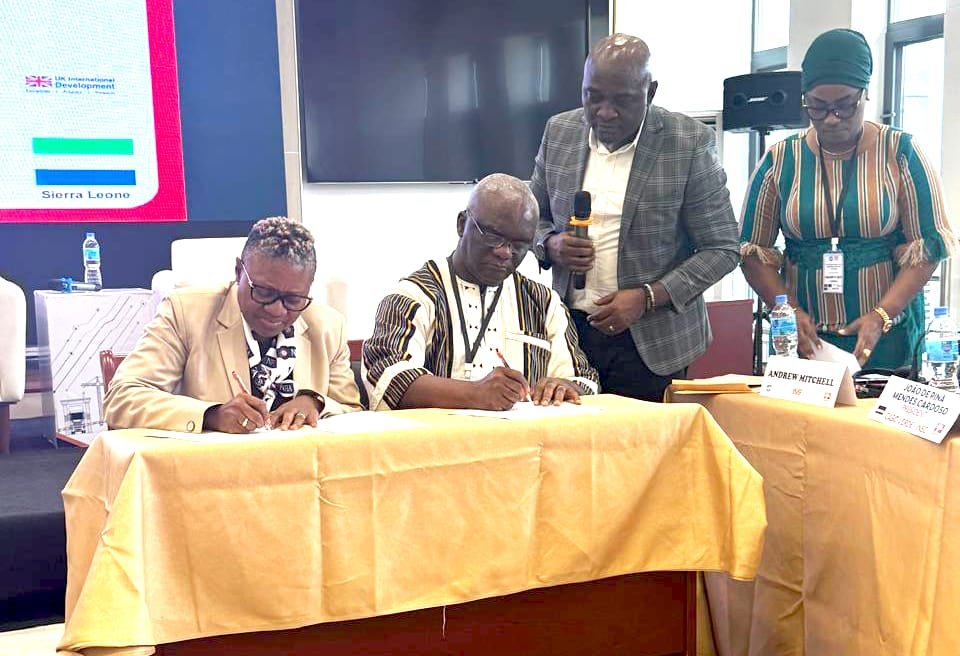
Deputy Minister of Energy, Edmond Nonie, also spoke at the event and announced that the government would begin inspecting meters at major customer sites, including factories and hotels. Of the 350,000 customers served by the Electricity Distribution and Supply Authority (EDSA), approximately 700 large users account for 40 percent of the agency’s revenue, he said.
To improve service delivery, Nonie said the ministry plans to decentralize EDSA’s customer service operations, which are currently limited to the Electricity House in Freetown.
The announcements come as the government faces mounting pressure to stabilize power supply and reduce dependency on expensive external providers.