Africa bets big on infrastructure to unlock $3.4trn trade zone
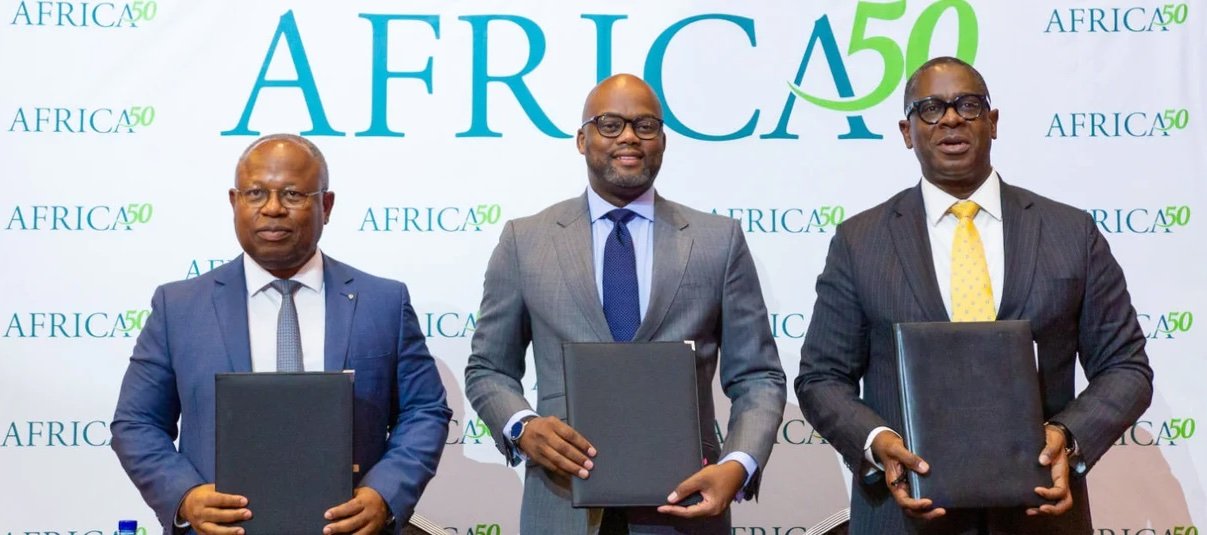
An alliance was recently cemented in Maputo, Mozambique, setting the stage for a potential economic transformation across the African continent.
The African Development Bank Group (AfDB), the African Continental Free Trade Area (AfCFTA) Secretariat, and Africa50 signed a memorandum of understanding (MoU), to collaboratively unleash the full potential of the AfCFTA’s $3.4 trillion market through strategic infrastructure development.
The deal was solidified at the Africa50 General Shareholders Meeting, setting the stage for a collaborative push to develop critical infrastructure projects across the continent, to drastically improve intra-African trade.
Currently, Intra-African trade lingers at a mere 15-18 percent dwarfed by Europe's 68 percent and Asia's 59 percent, as detailed by a report. This tripartite partnership aims to dramatically close this gap by tackling the continent's critical infrastructure deficits, which currently impede the free flow of goods and services across borders.
The collaboration prioritizes the development of multimodal transport corridors, cross-border infrastructure, logistics hubs, modern ports, and airports that will seamlessly connect African markets, slashing the cost of doing business across borders.
Recognizing the paramount importance of digital transformation, the partnership also champions cutting-edge data centres and digital trade platforms, empowering African businesses to participate competitively in the global digital economy.
Solomon Quaynor, AfDB’s vice president for private sector, infrastructure and industrialization, emphasized the bank's commitment, noting its investment of over $55 billion in regional economic corridors over the past nine years. He highlighted that $8 billion of this has been channeled into 109 cross-border infrastructure projects between 2014 and 2024, further showing the AfDB’s role in boosting continental trade.
Africa50 CEO, Alain Ebobissé, echoed the ambition, declaring that the agreement would support "the development and financing of trade-enabling infrastructure to boost intra-African trade, one of the continent's greatest endeavors."
Speaking at the Africa50 event, AfCFTA Secretary-General Wamkele Mene acknowledged the challenges facing Africa in the global context, calling the situation "a unique opportunity" for Africa to invest in its institutions, infrastructure, and skills.
He underscored the critical link between infrastructure development and trade, stating that it is "a prerequisite to doubling intra-African trade to 25% by 2030.”
The agreement will operate on six strategic pillars which include aligning with AfCFTA agreement and regional policies, jointly identifying bankable projects, mobilizing capital, establishing robust tracking systems, fostering stakeholder dialogue, and integrating environmental, social, and governance (ESG) standards throughout project lifecycles.