MRU enhances Sierra Leone – Liberia trade with policy dialogue
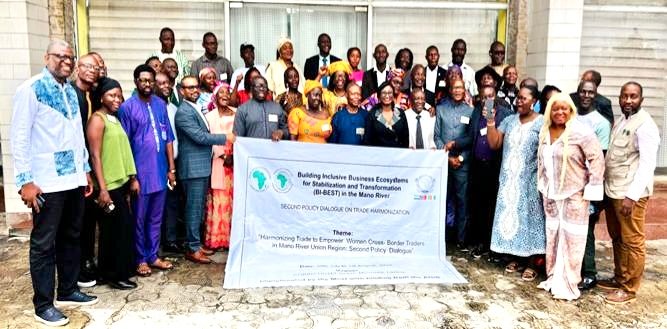
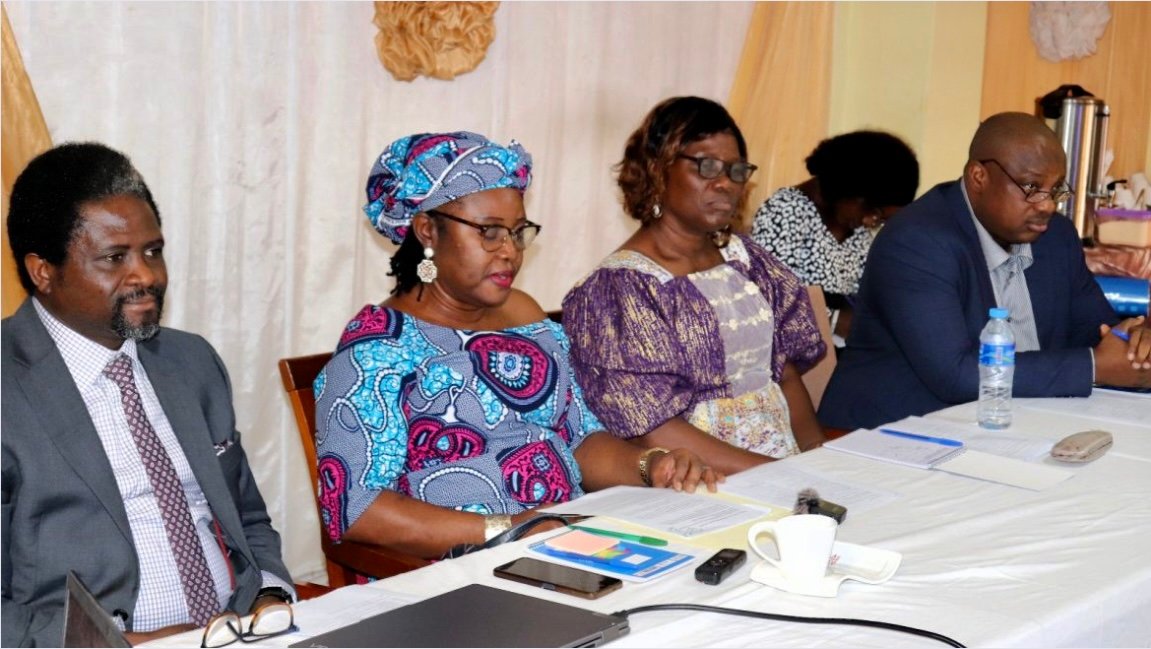
A diverse group of stakeholders across the Mano River Union (MRU) has concluded a two-day consultative meeting in Monrovia, for the Second Policy Dialogue on Trade Harmonization, which focused on “Empowering Women Cross-Border Traders through Policy Harmonization.”
The dialogue aimed to translate policy harmonization from theoretical frameworks into tangible improvements for women traders, fostering a more secure and supportive environment for business growth.
The project, Building Inclusive Business Ecosystem for Stabilization and Transformation (BI-BEST), is funded by the African Development Bank (AfDB) and implemented by the MRU Secretariat, for improving cross-border trade across the region.
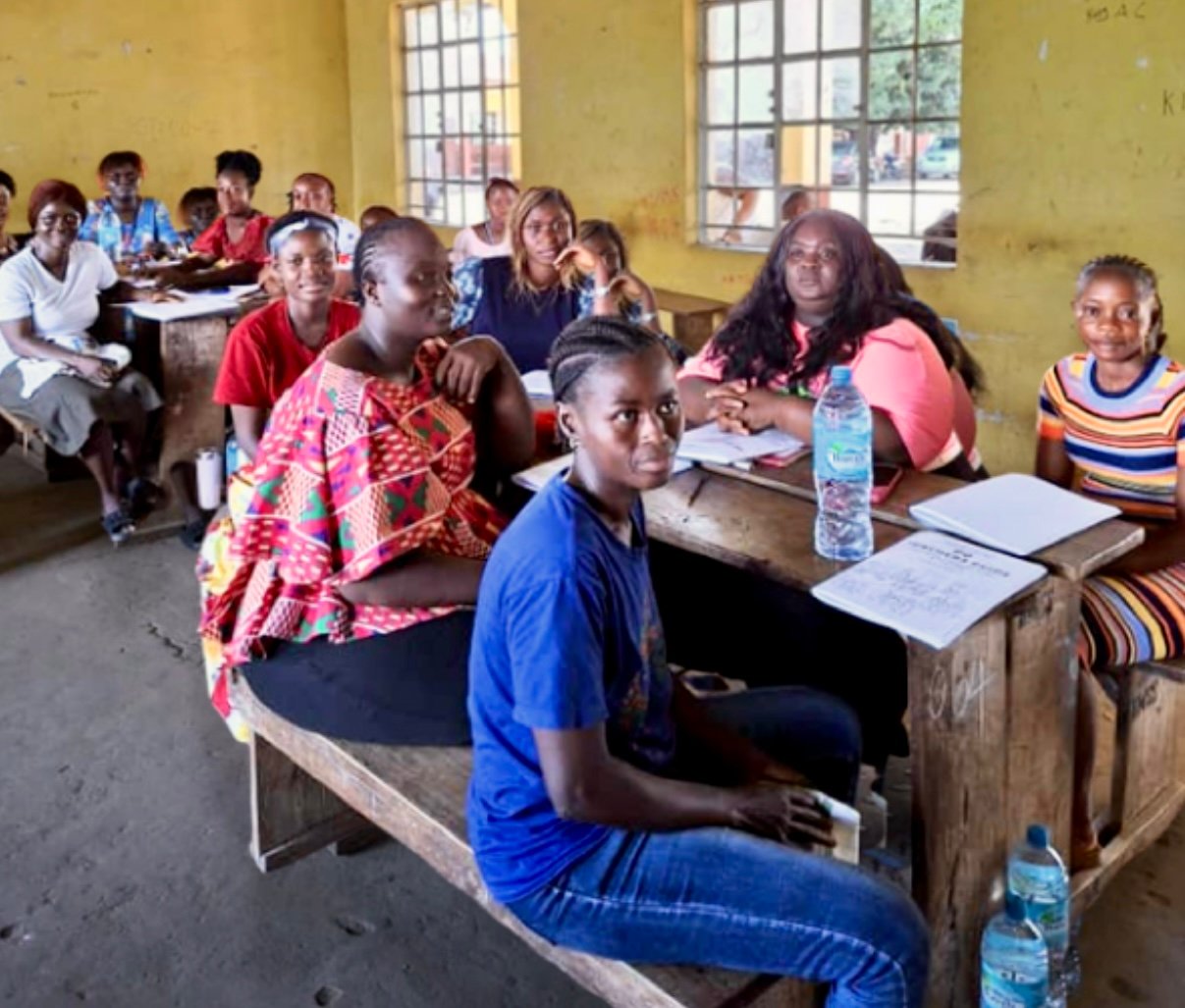
The initiative targets 1,500 women involved in cassava, palm oil, and vegetable value chains along key border crossings (Jendema & Koindu) and Liberia (Bo Waterside & Foya), with barriers hindering women-led cross-border commerce.
Participants explored how the African Continental Free Trade Area (AfCFTA), the ECOWAS Trade Liberalization Scheme (ETLS), commerce representatives, market women associations, gender specialists, civil society organizations, women’s associations and project beneficiaries (women’s cross border traders), could streamline cross-border commerce in creating a more predictable and trader-friendly environment.
This mix of expertise created a rich environment for identifying solutions to long-standing trade barriers, with the following key objectives:
- Reviewing and updating recommendations from the First Policy Dialogue to reflect current realities.
- Proposing actionable steps for harmonizing trade policies between Liberia and Sierra Leone.
- Strengthening collaboration between government agencies, private sector actors, and traders
Discussions focused on tackling non-tariff barriers, improving border security, and alleviating persistent challenges such as harassment, high transport costs, and inconsistent customs practices.
The MRU Deputy Secretary General /BI-BEST Project Coordinator, Mrs. Ange Konan Monu, emphasized, “Policy harmonization is not just about the laws on paper, it is about creating a trade environment where women feel safe, respected, and supported to grow their businesses.”
“Trade between our two countries should be an opportunity, not a hurdle,” stated Haja Kandeh, president of the Sierra Leone Market Women’s Association. “With the right policies, we can improve our businesses, support our families, and strengthen our communities”, she added.
Elizabeth Sambollah, president of Liberia Marketing Associations, remarked, “this is more than a dialogue, it’s the beginning of real change for women traders like me.”
The meeting concluded with policy recommendations focused on upgrading border infrastructure, standardizing trade procedures, and expanding training programs for women on trade agreements.
The BI-BEST project envisions a future where empowered women traders drive economic resilience, supportive environment and stronger regional integration, in order to dismantle trade barriers plaguing women entrepreneurs.